

Casa Băniei (the Ban’s House), Craiova – history, exhibitions and documentary film
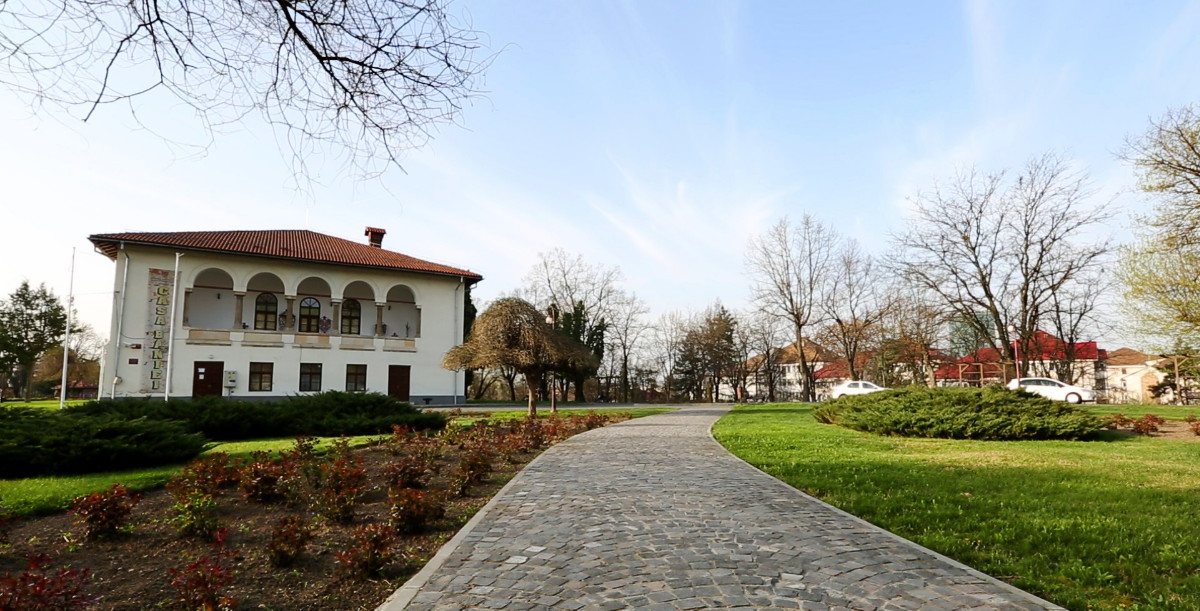
Casa Băniei (the Ban’s House) is an architectural monument of national importance and the oldest civil building in Craiova. That is how almost every presentation of it begins. But it is much more than that. Its walls hold several hundred years of history, and the exhibits “speak” about life, customs and traditions in this corner of Romania.
Text translated from the study produced in 2016 in the “Green School Education” project. The information about the exhibitions describes the museum as it was at that date.
Documentary film: Casa Băniei
The 18-minute film, made in the same project, presents the building and the exhibitions of the Ethnography Department of the Oltenia Museum. The narration is in Romanian.
A short history
Casa Băniei is the only monument of Brâncovenesc art in Oltenia that is a civil building. Some of its walls are 300 years old, others more than 500. Today the building, raised on brick vaults, has three levels and still preserves part of the original construction.
The house was built at the end of the 15th century by the Craiovești boyars. When the seat of the Banate was moved from Strehaia to Craiova, it became the residence of the Bans and later of the Great Banate, which had authority over the other territorial banates. The Banate functioned here without interruption until the male line of the Craiovești family died out, in 1535.
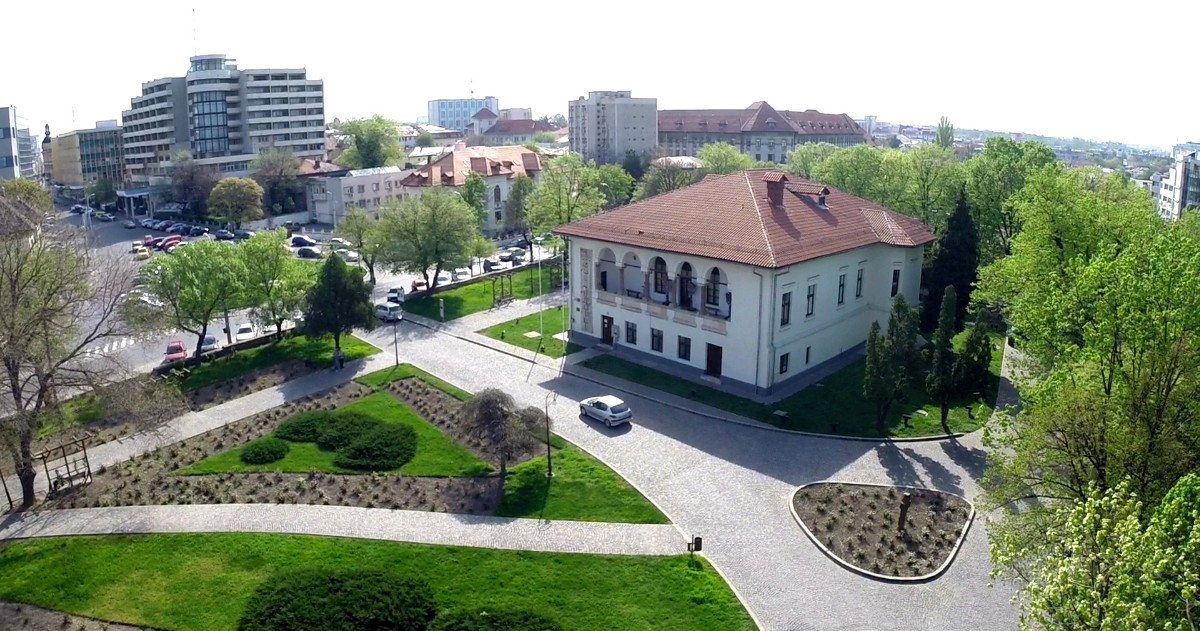
The building was rebuilt in 1699 on the initiative of Prince Constantin Brâncoveanu. Historical accounts show that the Divan of Craiova met here, and during the Austrian occupation (1718–1739) Casa Băniei became the seat of the administration, which fortified it for defence. In 1750 Prince Grigore Ghica ceded the building to the Bishopric of Râmnic. In 1810–1811 Bishop Nectarie of Râmnic gave the Ban’s houses to Elisa Otetelișanu, widow of the boyar Șerban Otetelișanu of the Obedeanu family, in exchange for 300 stânjeni of land. In 1811 the new owner carried out repairs and added the rear porch.
From the Otetelișanu family the house passed to a private owner, Petrache Bucureșteanu, who left it to the state in his will. At the end of the 19th century, while the Palace of Justice was being built, Casa Băniei served as the temporary seat of the Craiova court. At the beginning of the 20th century it came into the possession of the Ministry of Education and housed schools: until 1914 the “Frații Buzești” gymnasium, and between 1914 and 1924 the teacher training school for women. After that the building housed the theological seminary until 1931 and then, briefly, the Craiova branch of the State Archives. From 1933 it housed the Oltenia Museum, until 1948, when it passed to the Metropolitanate of Oltenia.
By presidential decree, since 1966 the old Brâncovenesc monument has housed the Ethnography Department of the Oltenia Museum, with a heritage of more than 9,000 pieces grouped in collections. Visitors step into the world of Oltenian folk traditions through the department’s thematic exhibitions.
What you can see: the exhibitions of the Ethnography Department
“The Making of Bread” – from ploughing to ritual loaves
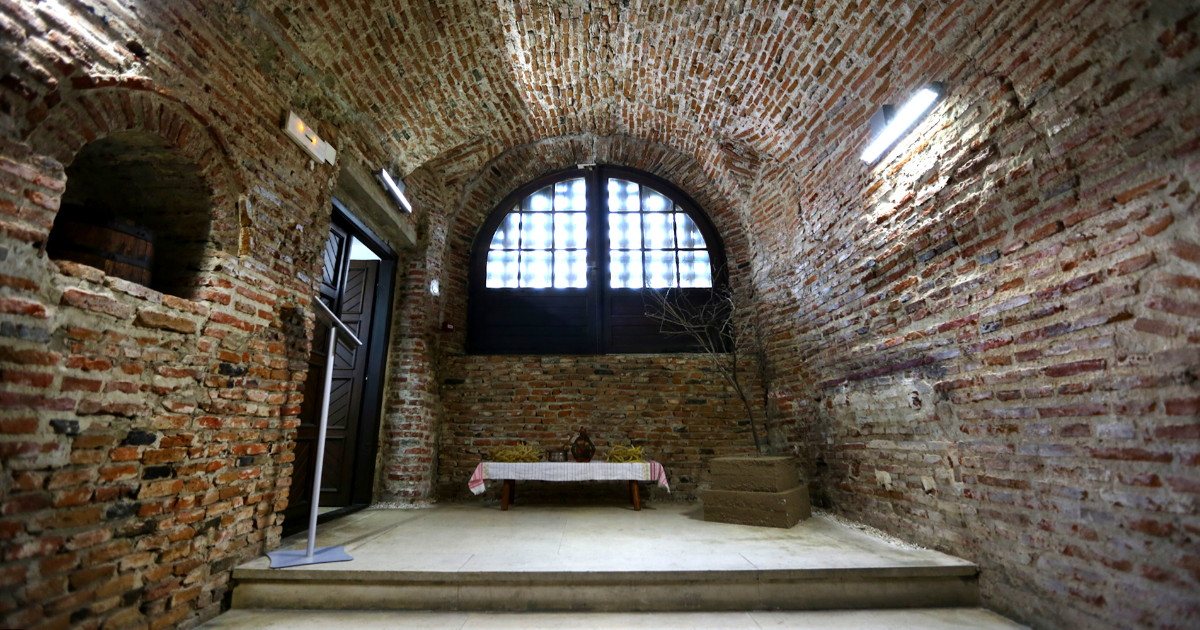
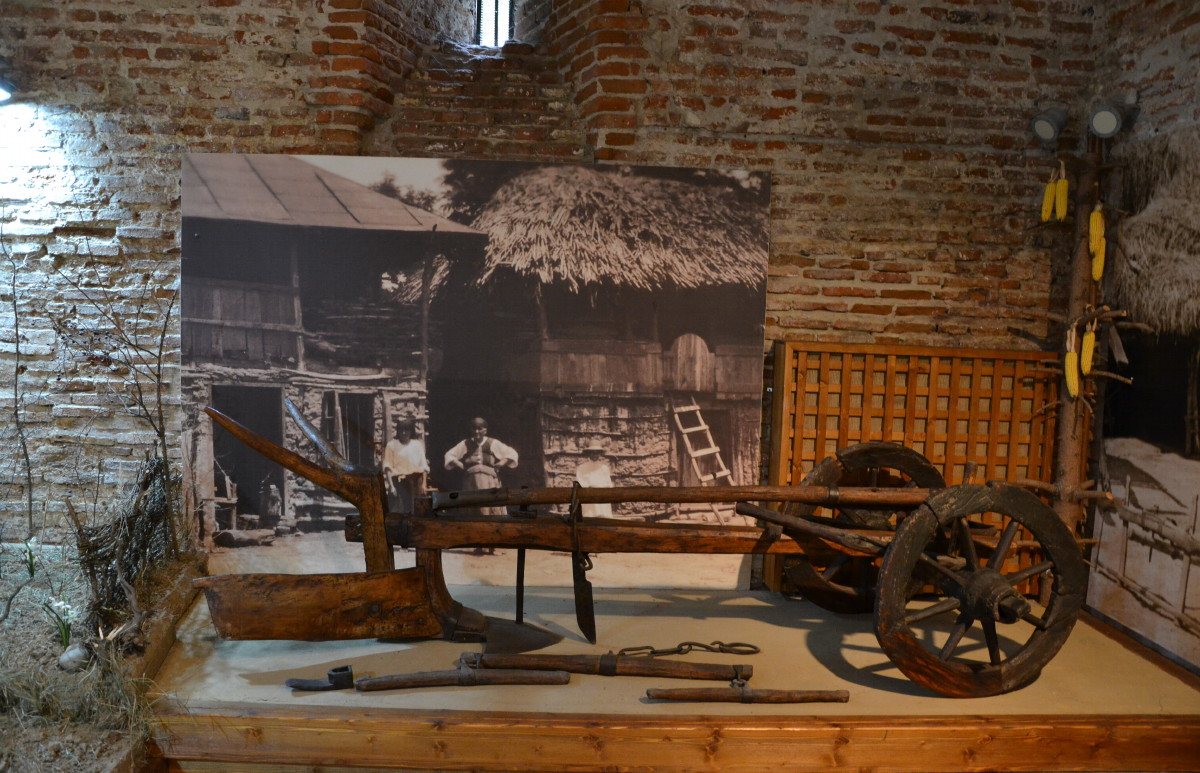
The visit starts in the basement, the former cellar of the Bans’ house. The exhibition “Facerea pâinii” (The Making of Bread) shows how wheat was grown in Oltenia, a province with a strongly agrarian character. It covers central Oltenia at the end of the 19th century and in the first half of the 20th. The main stages and techniques of wheat growing are shown, among them ploughing with a plough drawn by two or three pairs of oxen, and the implements needed to tend the crop: harrows of various types, made of thorn bushes, of wood or entirely of metal. These objects illustrate the yearly cycle in which peasants spent most of their time working the fields.
The first stage is “From ploughing to sowing“.
To complete the picture, the exhibition includes rituals such as “barba popii” (the priest’s beard) or “barba caprei” (the goat’s beard), meant to protect the cultivated land by magic and to ensure a rich harvest.
The curators wanted visitors to follow every stage up to the ritual bread, so the next exhibition, in the following basement room, is called “From reaping to ritual loaves“. After reaping comes threshing, an event with deep meaning in the life of traditional Oltenian communities. The walk continues with the means used for storing wheat.
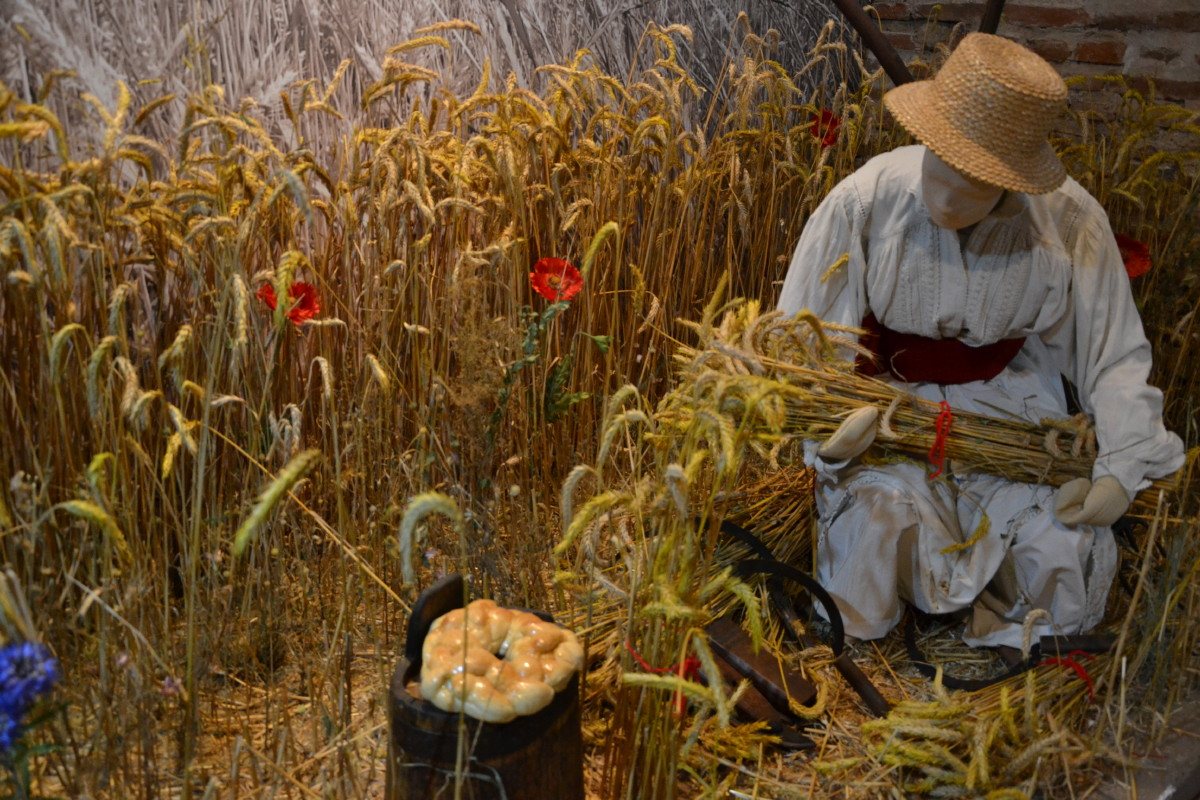
As for milling, several traditional devices show archaic and more advanced techniques. The exhibition includes 19th-century hand querns and a hand mill based on a modern system of cogwheels. There is also a full-size horizontal-wheel water mill (moară cu ciutură) from the north of the region. Besides the large equipment, wooden and metal tools are on display: pitchforks, scythes, rakes.
Also worth noting is a boat from the Jiu river, carved from a single trunk.
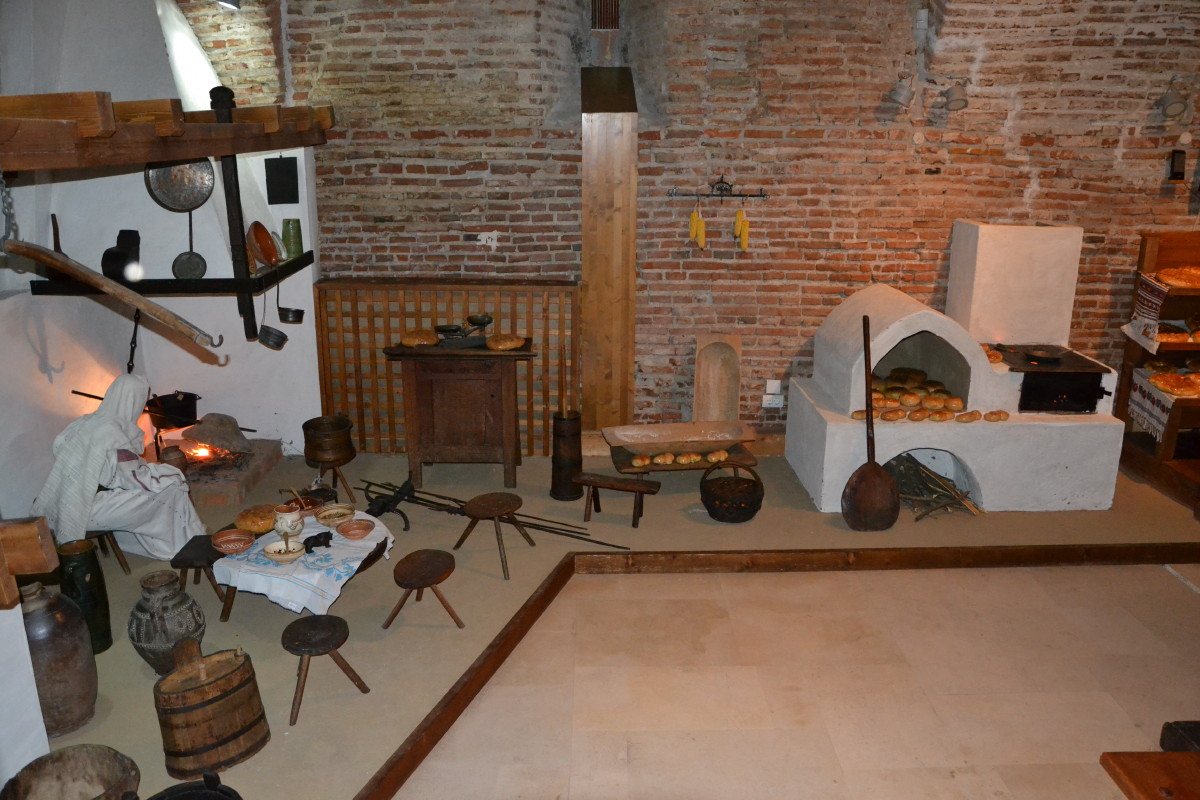
Once the grain was obtained, it was carried to the household and stored. A special place belonged to the oven where the daily bread was baked, a custom every housewife observed with reverence. For the Oltenian peasant the hearth is the sacred place of the house and also a place of passage that has to be protected from evil spirits. That is why no hearth in an Oltenian peasant household was without the pistornic (a carved bread stamp) and the hearth icon. The entrances and exits of the house, the “thresholds”, were guarded by sacred objects. The hearth was also where the daily bread was made, and above all the ritual bread for feast days. Visitors can see here the full range of ritual breads, in many shapes and decorations, each with its own role in the religious feasts of the year.
The inventory of a peasant hearth in Oltenia included, in a fairly small space, a great many objects of wood, ceramic or metal: pots for boiling, pots for keeping food, mugs for water and wine, large vessels for lard, bowls, dishes, spoons, the water bucket, gourds and jugs for water, and in some cases even a charcoal iron.
Oltenian pottery
The exhibition “Ceramica oltenească” (Oltenian Pottery) presents the main centres of Oltenian pottery: Șișești, Glogova, Arcani, Ștefănești, Pinoasa, Horezu, Oboga, Vlădești. It is a synthesis of ceramics and pottery in Oltenia, varied in nuance but united by a wealth of shapes and ornaments. Visitors can study the materials and techniques, the diversity of shapes, the refined decoration and the colours. On display are jugs, plates and human figures, both older and newer pieces, covering about a hundred years. The ritual and symbolic value of traditional ceramic objects is also shown: wedding jugs and flasks, vessels used in funeral rites and many other symbolic items that reveal a rich cultural world.
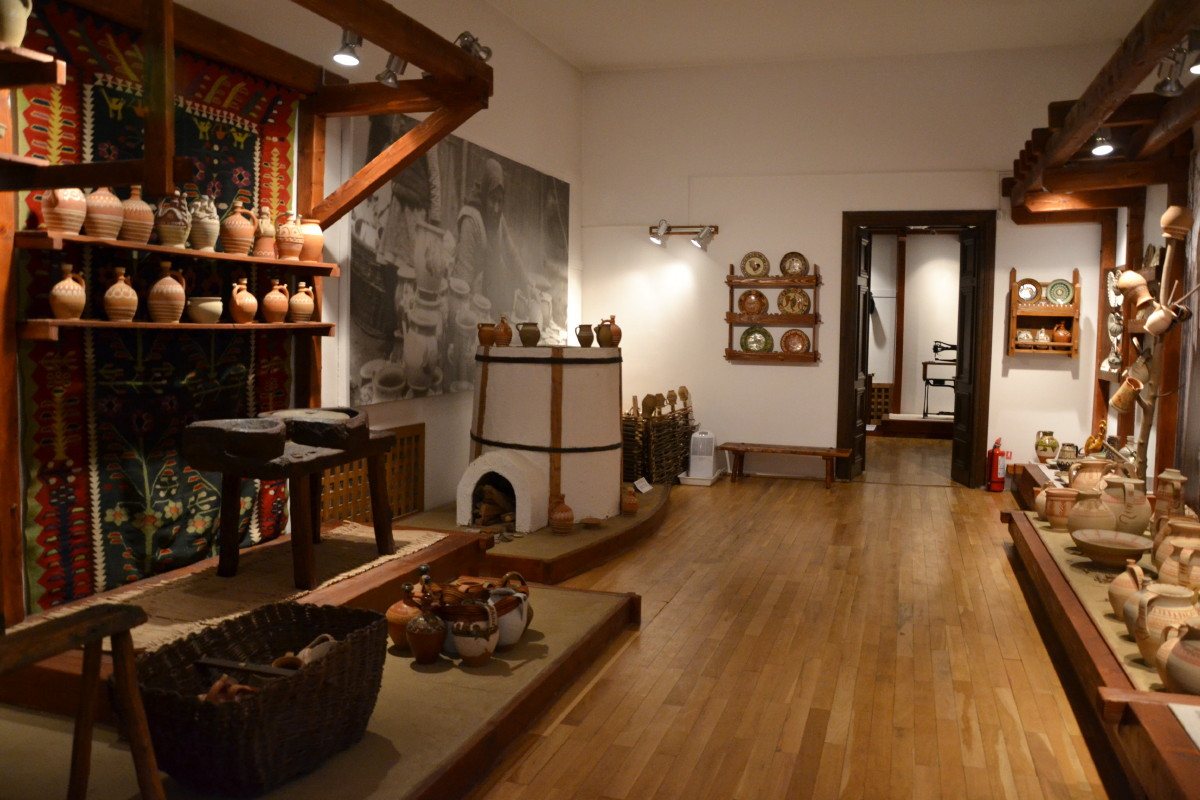
In the 19th and 20th centuries, potters from Oboga took their wares as far as Dobruja and the Bulgarian Timok. Visitors should not be surprised to find many similarities between Oboga pottery and Bulgarian pottery, especially that of the Vratsa district.
The sheepskin coat workshop
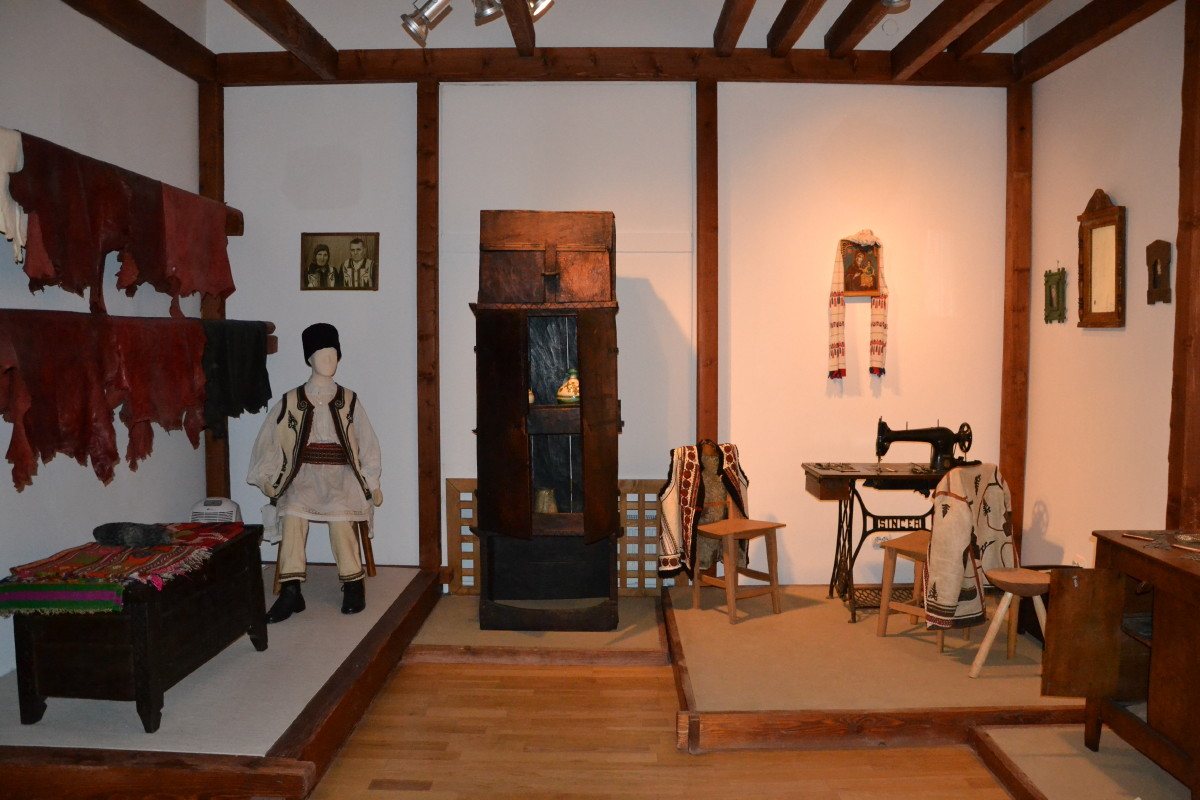
Casa Băniei also presents another traditional Oltenian occupation that is now, unfortunately, disappearing: the making of embroidered sheepskin coats (cojocărit). A workshop from Dăbuleni is on display. Coat-making was one of the basic occupations in Oltenia, but only a few craftsmen still know the trade. The public can now admire these colourful creations only in ethnographic museums. The inventory shown is a traditional workshop bearing the mark of the craftsman’s life and talent. The coats were usually made of sheepskin, decorated with wool, leather motifs and refined symbols.
“The Rhythms of Life” – the Oltenian wedding
The exhibition “Ritmurile vieții” (The Rhythms of Life), on the upper floor, is about the existence and relationships of traditional people in Oltenia. Life situations and social and religious circumstances are presented through contrasts: sacred and profane, material and spiritual, everyday and festive. A special place belongs to the wedding, shown as an exceptional event, a threshold, a passage to a new status.
The Oltenian wedding is brought to life through its main characters and its rituals: the bride fetching water on Sunday morning, the decorating of the wedding fir tree, and the carrying of the dowry in the richly adorned wedding cart.
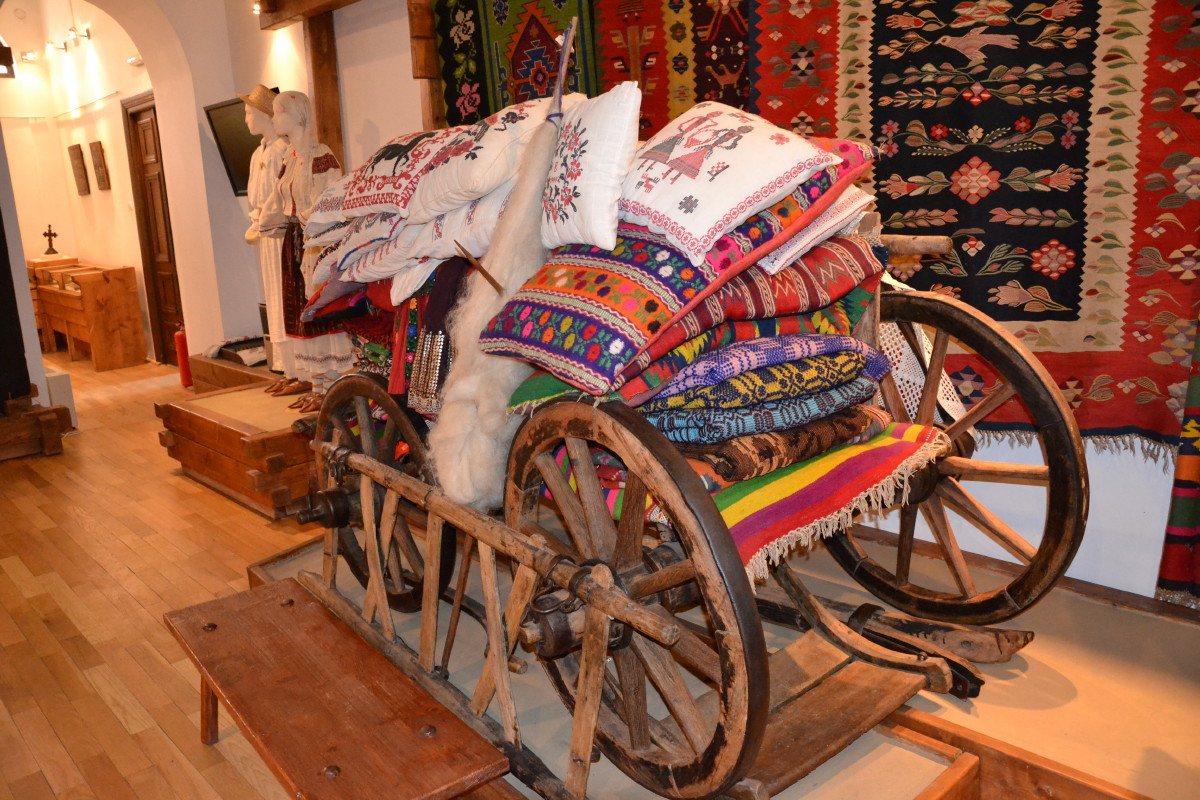
Here visitors can admire men’s and women’s folk costumes from all over Oltenia, along with a variety of dowry chests of unmatched richness of colour. All these objects carry floral motifs dedicated to the bride, groom and family: the wreath, the little fir tree, the tendril and garland, the vase with flowers, the tree of life, and stylised animal motifs – the bird, the snake, the stag, the cat, the lamb.
Peasant-made religious objects
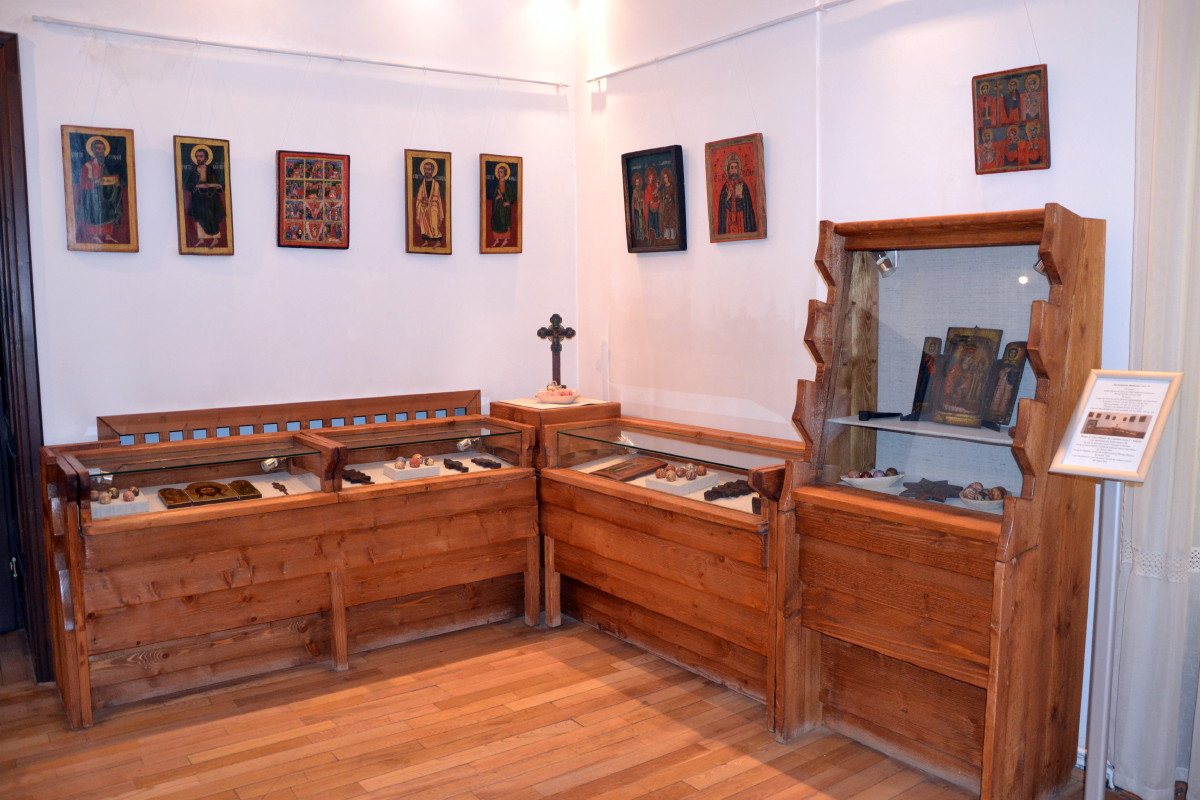
Because the life of the Oltenian peasant cannot be conceived apart from the relationship with God, the next exhibition is called “Obiecte religioase de factură țărănească” (Peasant-made religious objects). The best-known sacred objects in the peasant household were, and still are, the icon in the guest room, the hearth icon and the pistornic. The main themes of peasant iconography refer to Christian feasts: the Nativity, the Baptism, the Crucifixion, the Resurrection and the Ascension of Christ, the Nativity of the Mother of God and the Lamentation. Saints are also represented on Oltenian icons, especially Saint Nicholas, Saint Peter, Saints Constantine and Helena, Saint John, Saint Elijah and Saint George. Other objects with religious meaning in the exhibition are altar crosses, hand crosses and decorated Easter eggs. The room is completed by a valuable display of icons on glass from the main icon-painting centres of Transylvania. Most pieces date from the 19th century; the oldest is an icon of Saint George from 1835.
Oltenian rugs and kilims
Perhaps the most exuberant expression of the Oltenian peasant’s creative spirit is the making of traditional carpets and textiles. Among the values of folk art, carpets, rugs (scoarțe) and kilims hold a special place, for their originality, refined colours and variety of types and decorative motifs, and because they were appreciated by all social classes. Casa Băniei has an exhibition entitled “Scoarțe și chilimuri oltenești” (Oltenian rugs and kilims). The scoarță is a textile of old tradition, the main decorative piece in the dowry of peasant girls, mentioned as early as the 18th century.
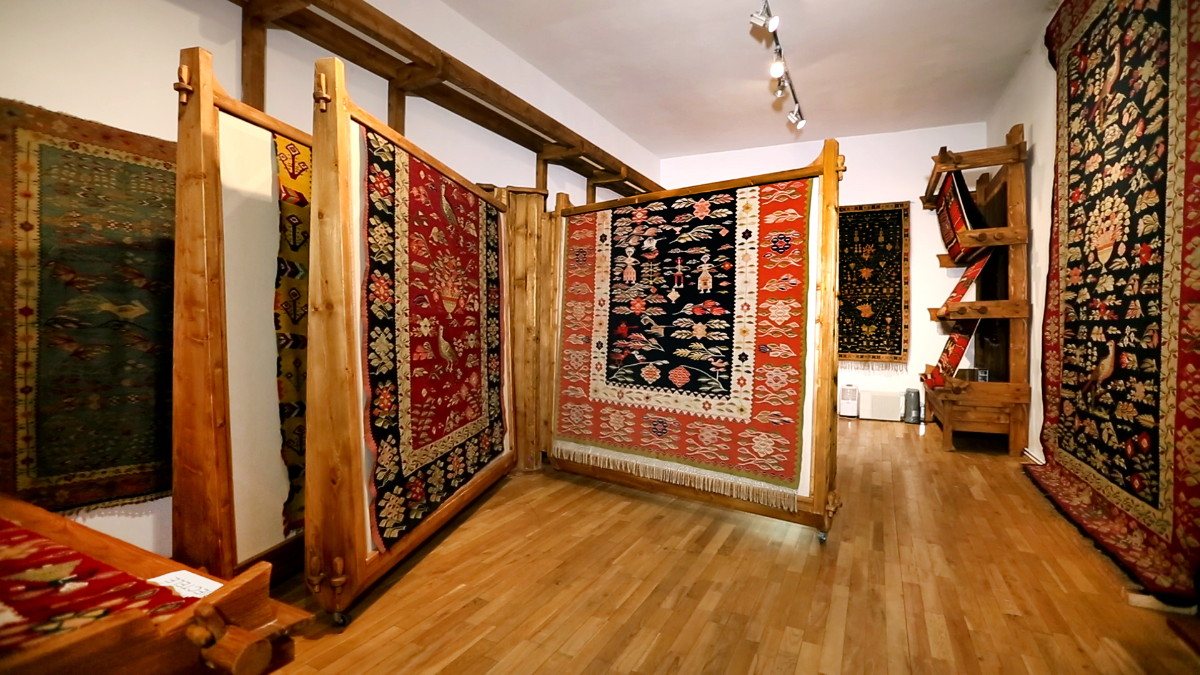
Making and owning rugs brought social prestige to skilled girls; the dowry was carried to the future husband’s home in a true ceremony, in which each piece was shown to the community. The production of rugs, and especially of kilims, shows great freedom of invention in composition, ornament and colour: old and new motifs, colours and compositional schemes are taken up again in other orders and combinations. Alongside the old geometric motifs there are plant motifs such as leaves, lilies of the valley and the vase with flowers. The Ethnography Department holds an exceptional collection of almost a thousand interior textiles and several hundred raw-silk veils (marame). Here too there are similarities between Oltenian carpets and those of northern Bulgaria, from colour to certain decorative elements.
Interior textiles from Oltenia express the refinement of Romanian traditional art. This work belonged exclusively to women. Wool, cotton, flax, hemp and goat hair were the materials from which, in the long winter evenings and nights, Oltenian peasant women wove masterpieces, most of them for daily use: carpets, rugs, curtains, bedspreads, blankets, pillowcases, handkerchiefs.
Temporary exhibitions and workshops
The visit continues in another part of the building. Leaving the rooms of the previous exhibition, stairs lead down to two more areas. The first hosts temporary exhibitions. In spring 2016, when the study was written, the exhibition “Spring customs and traditions” was open here.
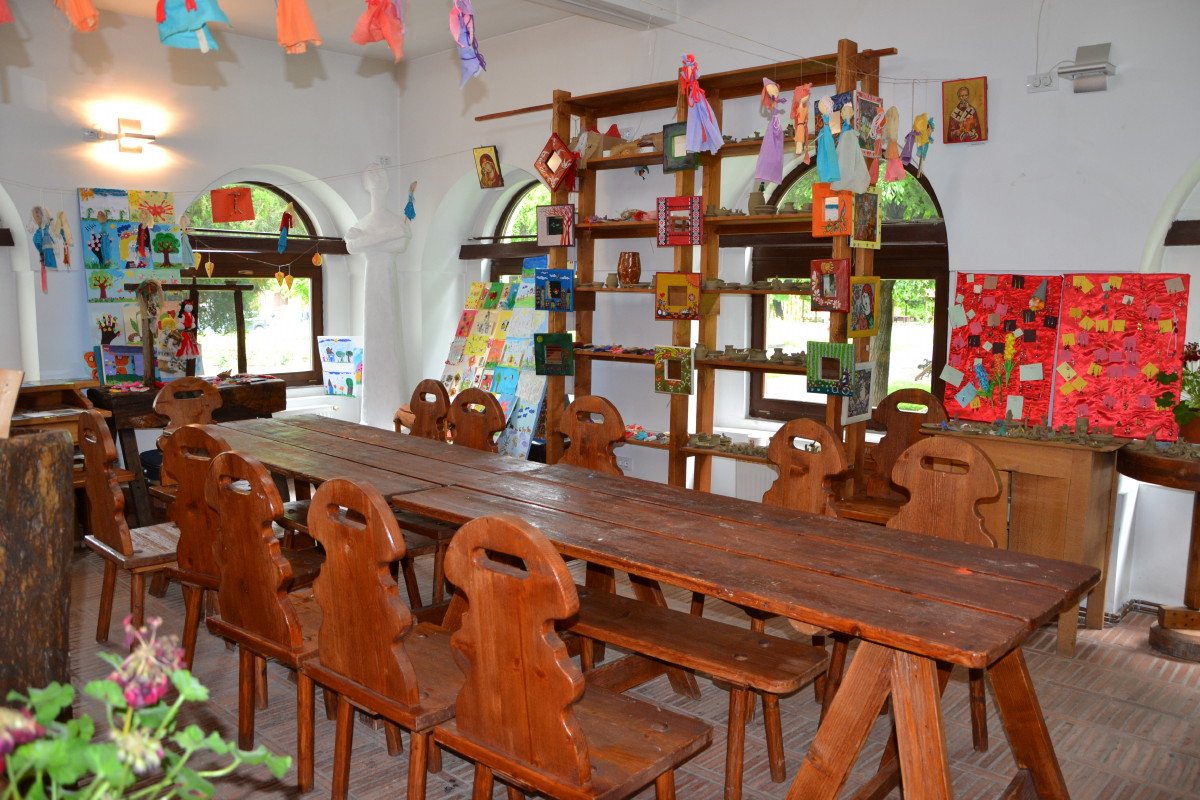
The last room is an interactive space with workshops for weaving, pottery, icon painting (on wood and glass) and wood carving. Every year hundreds of children come here to learn these folk crafts.
Where it is
Casa Băniei stands in the historic centre of the city, right next to the Metropolitan Cathedral of St Demetrius. The History Department and the Natural Sciences Department of the Oltenia Museum are a short walk away.
Visitor information
- Address: 16 Matei Basarab Street, Craiova (Ethnography Department of the Oltenia Museum)
- Opening hours: Tuesday–Sunday, 09:00–17:00; closed on Mondays
- Tickets: 12 lei adults, 5 lei pensioners and students, 3 lei pupils and preschoolers (prices announced by the museum in January 2026)
- Phone: +40 351 444 030
- Website: muzeulolteniei.ro
Information checked in November 2026. Opening hours and prices may change; confirm on the museum’s website before your visit.
Download the study
Casa Băniei – study (PDF in Romanian, 15 pages, 5.7 MB), with all the photographs from the exhibitions. The practical information in the study dates from 2016.
About the project
The film was made by Asociația Mereu pentru Europa, and the study was written in the same project: “Green School Education as a Promotion of Sustainable Use of Cultural and Natural Heritage and Resources”, code 15.2.1.001, co-financed by the European Union through the European Regional Development Fund under the Interreg V-A Romania–Bulgaria Programme. The content of this material does not necessarily represent the official position of the European Union.