

Preajba–Făcăi Lake Complex – the lakes near Craiova and a documentary film
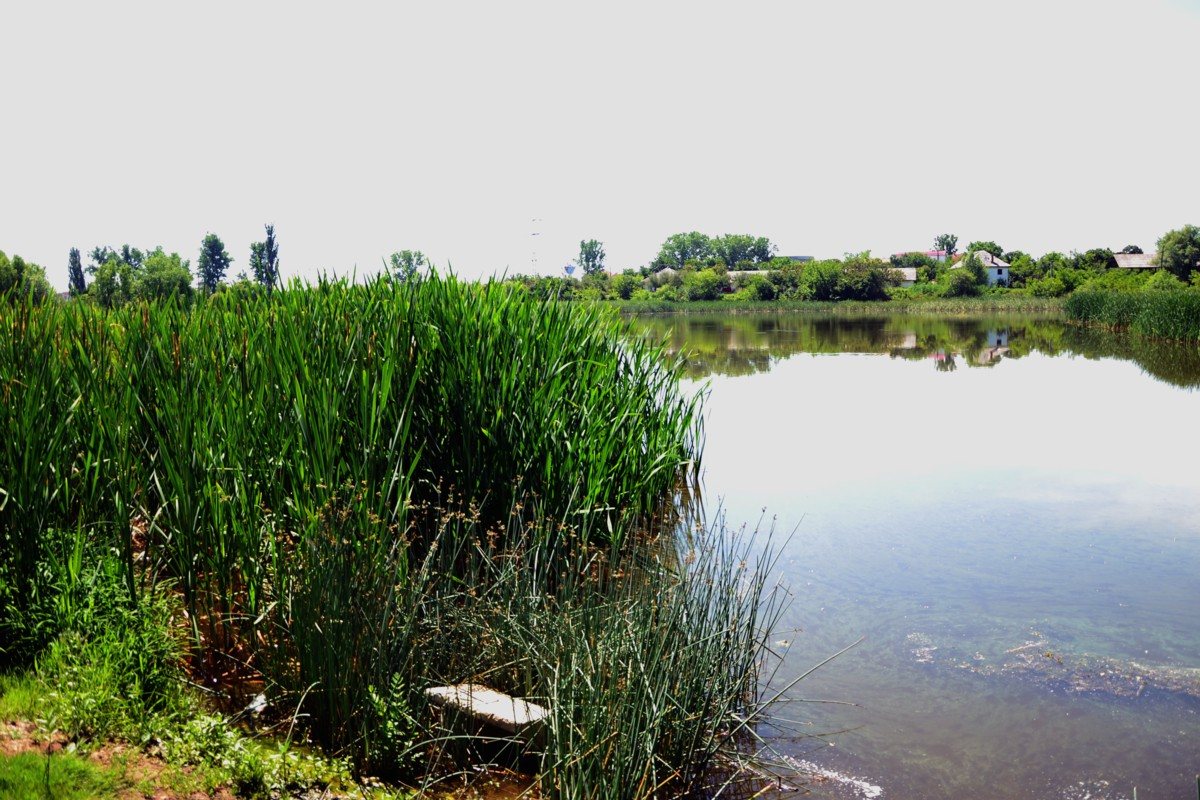
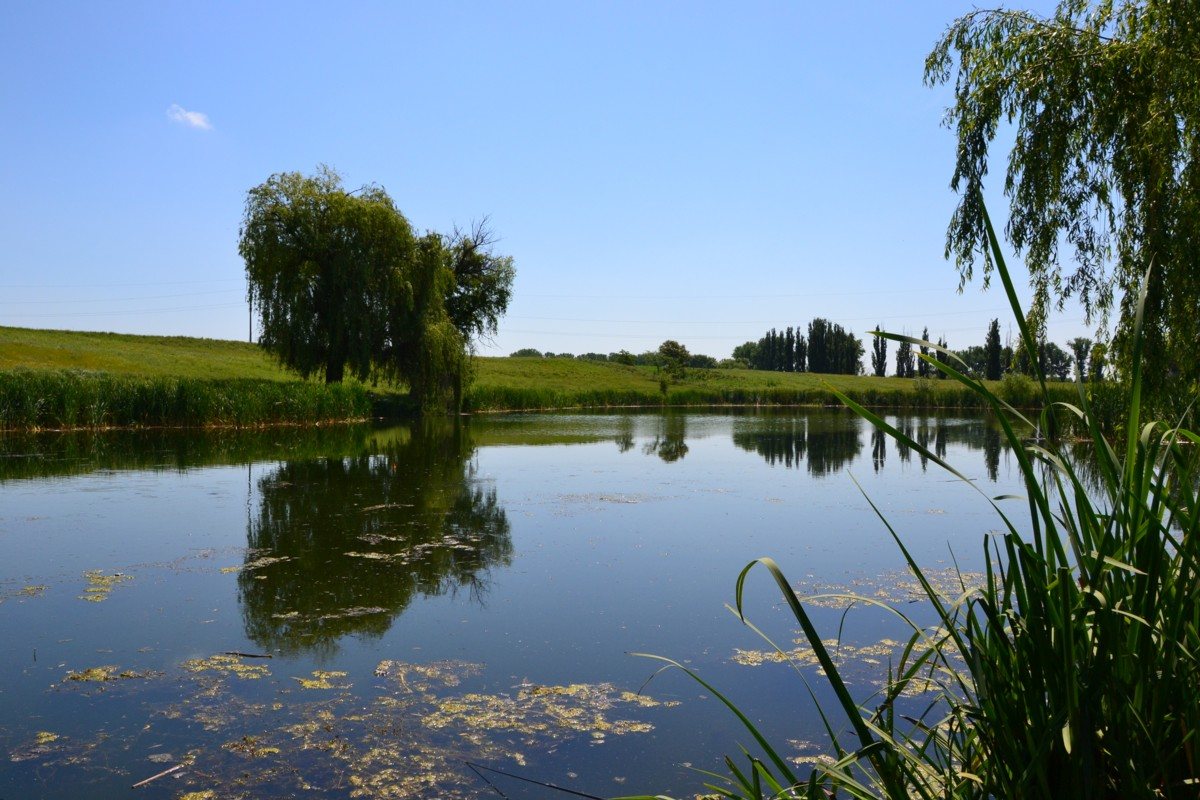
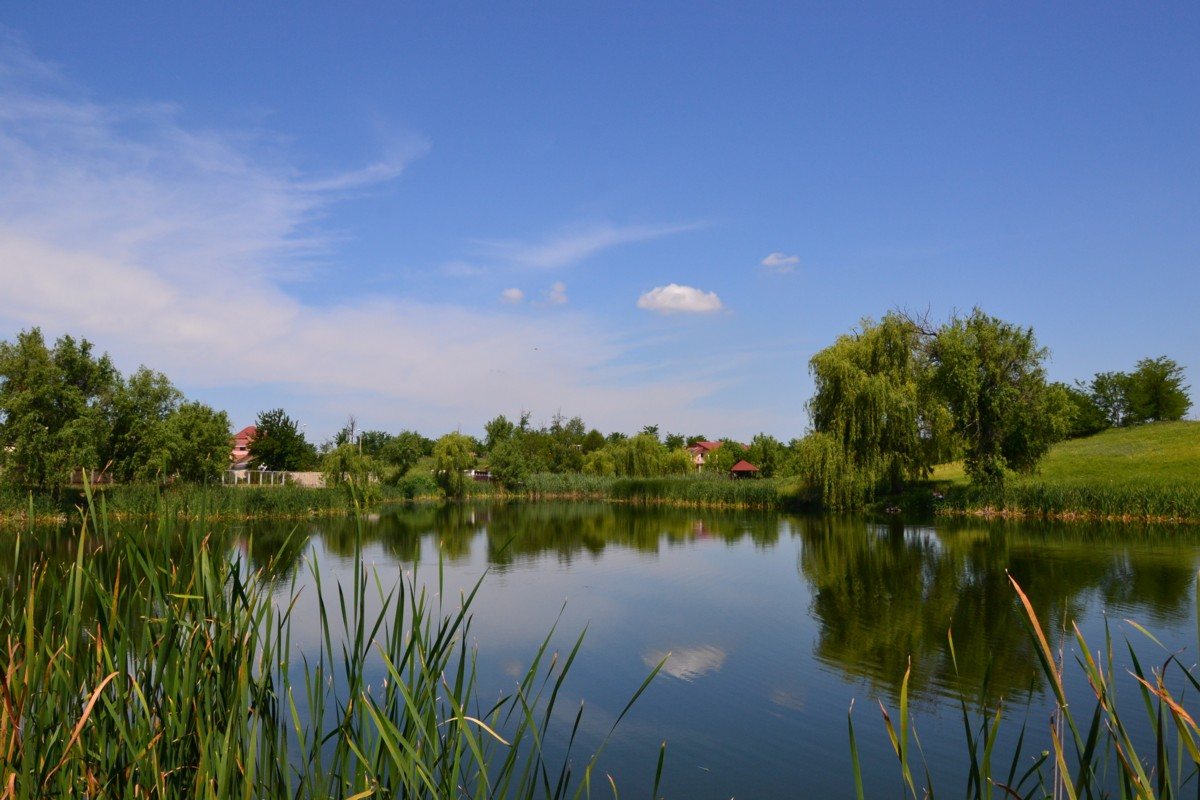
The protected natural area “Preajba–Făcăi Lake Complex” is in Dolj County, in the commune of Malu Mare (the villages of Preajba and Făcăi), on the Ciliboaica and Preajba valleys, south-east of the city of Craiova.
Text translated from the study produced in 2016 in the “Green School Education” project. The description shows the area as it was at that date.
Documentary film: the Preajba–Făcăi Lake Complex
The 16-minute film, made in the same project, presents the lakes and their wildlife. The narration is in Romanian.
The lakes, flora and fauna
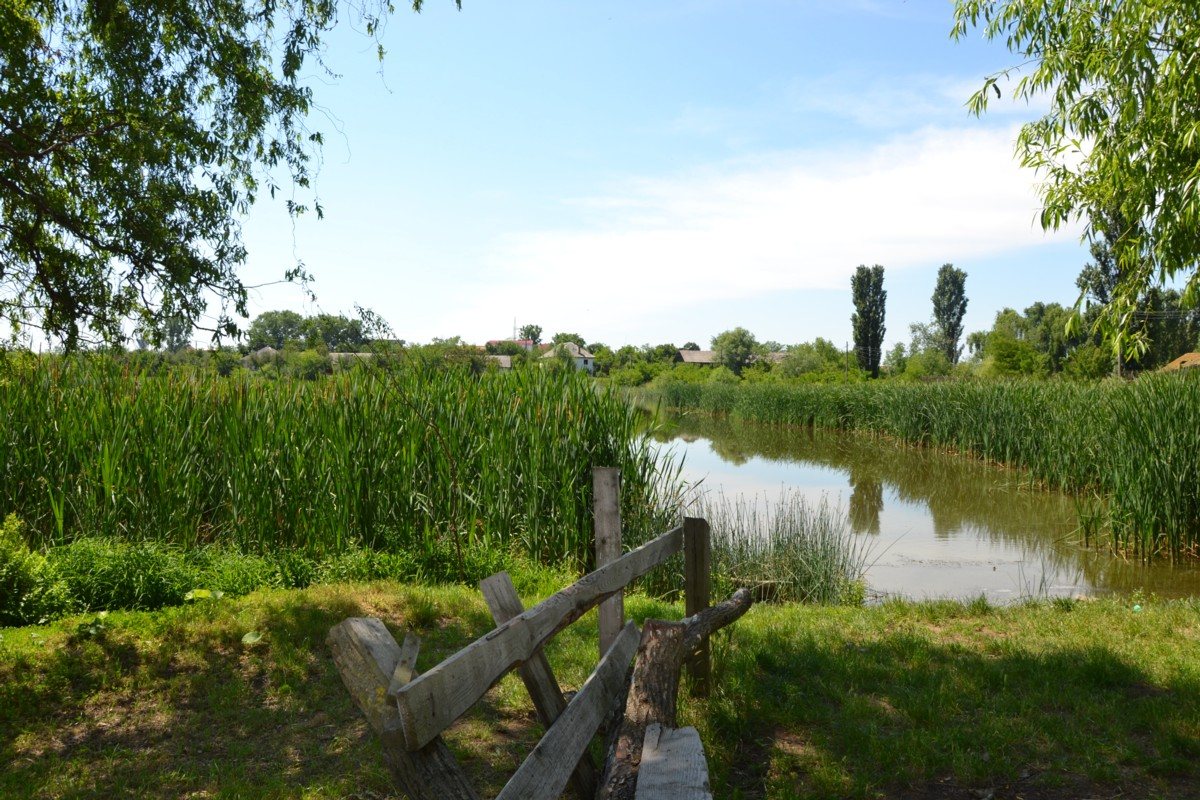
The complex consists of the main course of the Preajba valley and its tributary, the Bătrâna, joined through the Craiovița collector canal. It is fed by strong springs located where the Romanați Plain meets the high terrace of the Jiu river, with a permanent and constant flow.
The complex covers 28 hectares, of which its five ponds occupy 21 ha. The largest stretches of water are Balta Ciliboaica, Balta Poliției, Balta Pușcăriei and Balta I, each with a different shape and area.
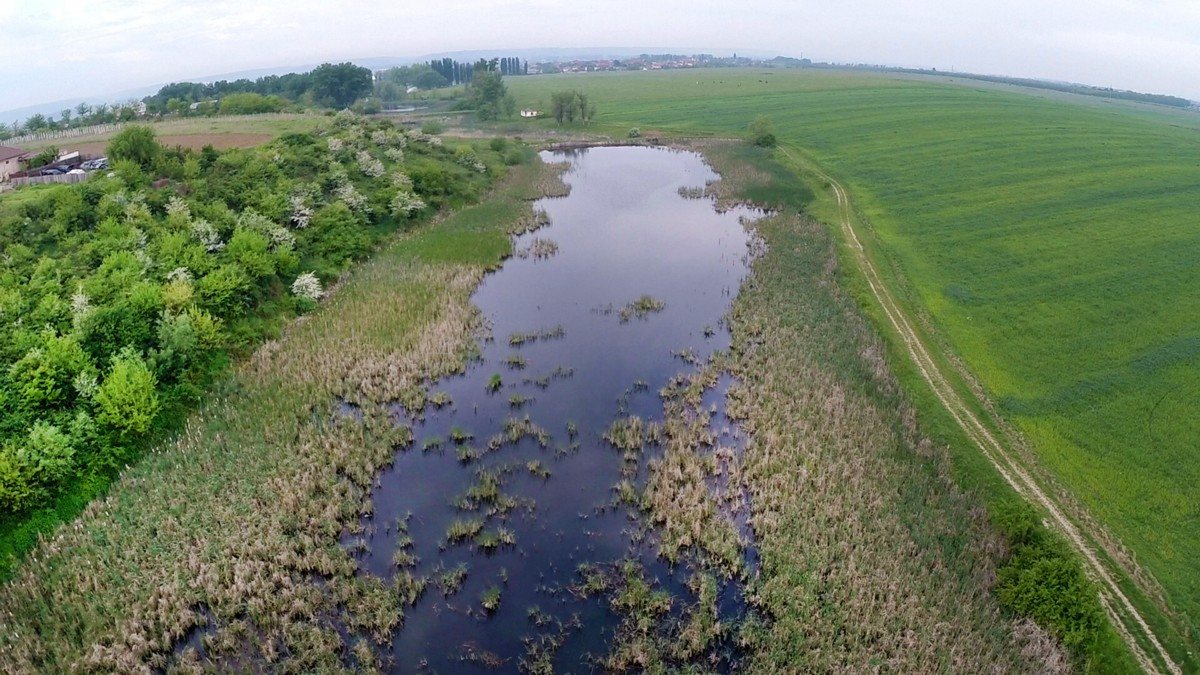
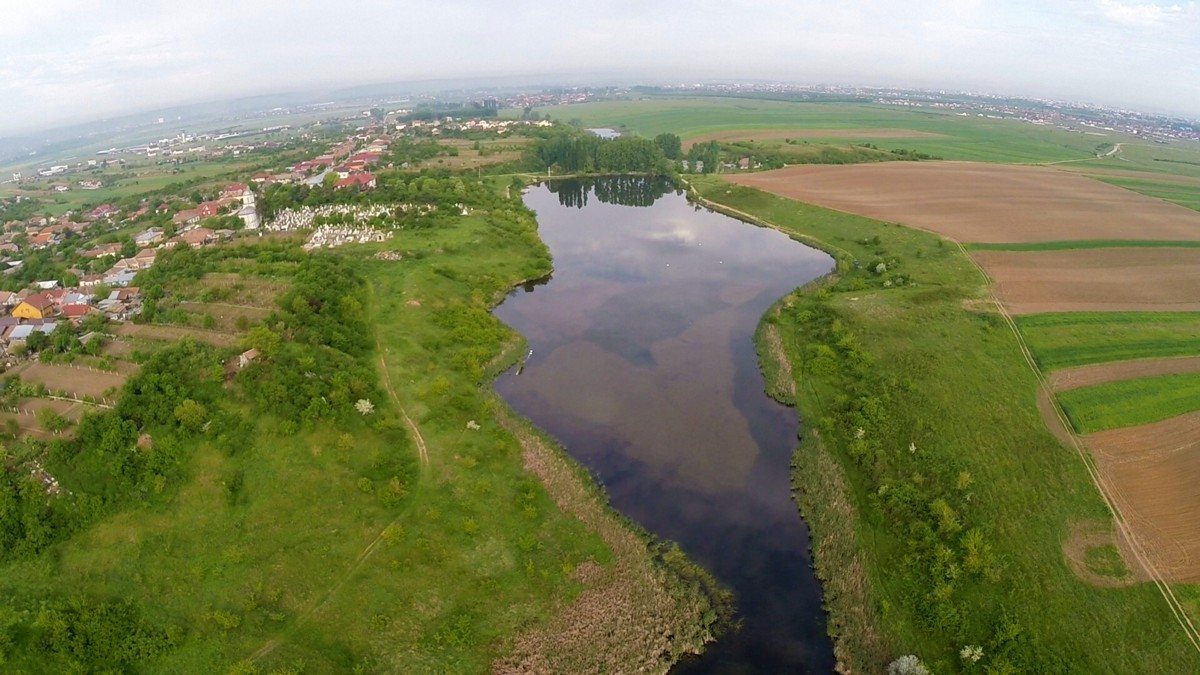
In recent years this protected area has attracted more interest from specialists and has been studied more closely. Research was carried out over a full year, with observation points set up in several places.
The “Domino” Association, which inventoried the species and proposed a management plan for the protected area, found the following:
– Between November 2010 and June 2011, the species constantly present were: Natrix tessellata (dice snake); Lacerta viridis (European green lizard); Gobio kessleri (Kessler’s gudgeon); Umbra krameri (European mudminnow); Neomys anomalus (Miller’s water shrew); Ciconia ciconia (white stork); Anas platyrhynchos (mallard); Aythya ferina (common pochard); Anser anser (greylag goose).
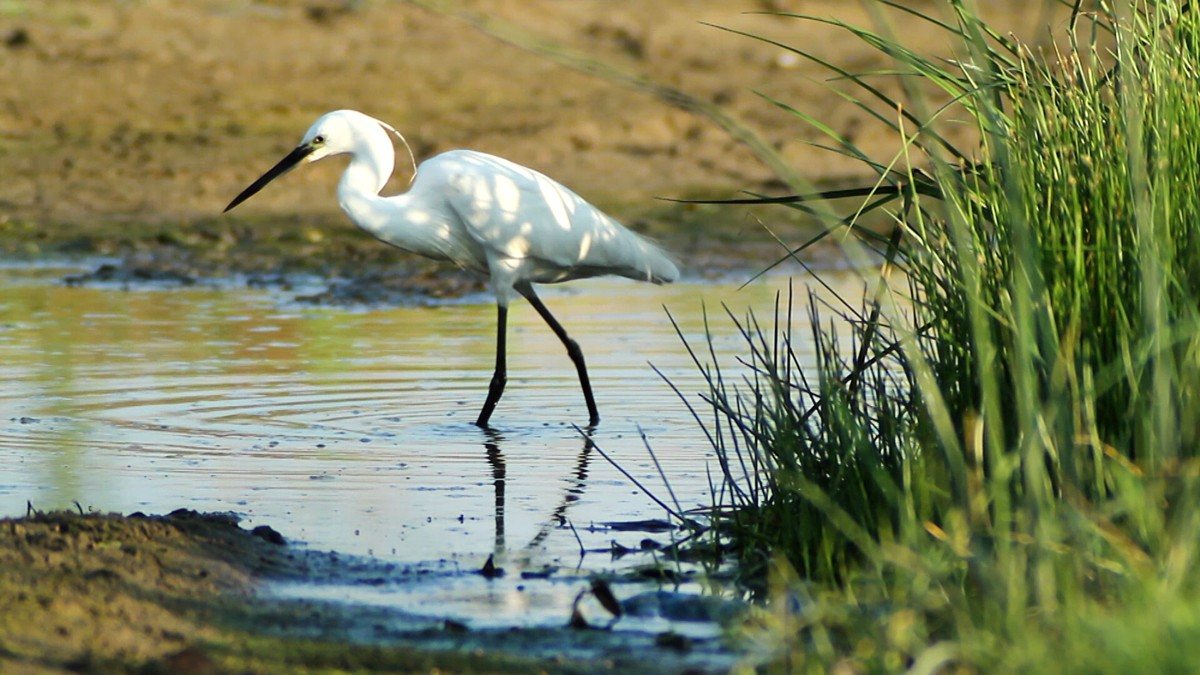
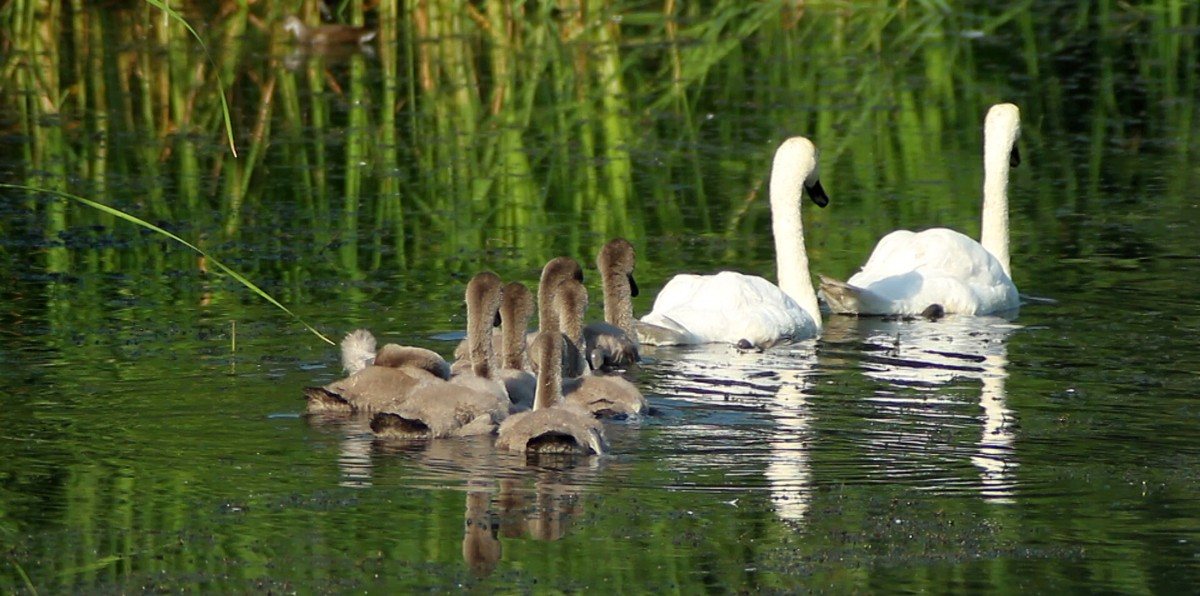
– Characteristic species are: Acrocephalus melanopogon (moustached warbler); Anas platyrhynchos (mallard); Aythya ferina (common pochard); Anser anser (greylag goose); Fulica atra (coot); Neomys anomalus (Miller’s water shrew); Mustela nivalis (weasel); Meles meles (badger); Gobio kessleri (Kessler’s gudgeon); Umbra krameri (European mudminnow).
The studies showed that the protected area supports a great diversity of species in spring and early summer. This diversity begins to fall as summer sets in and autumn approaches, reaching its minimum between October and February. The explanation is that the great majority of the species of Community interest use the area as a nesting site; few do not nest here.
With the arrival of autumn and the start of the winter season (late November, December), species diversity rises again, without reaching summer values, as the species that stay to winter in the area become more abundant.
The most abundant species are:
– Birds: greylag goose (Anser anser);
– Mammals: Miller’s water shrew (Neomys anomalus);
– Fish: Kessler’s gudgeon (Gobio kessleri).
The rarest are:
– Birds: great northern diver (Gavia immer);
– Mammals: badger (Meles meles);
– Reptiles: European pond turtle (Emys orbicularis);
– Fish: European mudminnow (Umbra krameri).
The area lies in the Oltenia Plain, formed when the waters withdrew; the material left behind belongs to the Levantine stage. On top of it, in the Quaternary, materials in various stages of weathering were deposited, the most resistant being quartz.
The woods of the protected area are typical lowland groves of mixed oak forest (“șleau”) and occupy very small, island-like patches. The meadows are secondary and mainly occupy land unsuitable for crops.
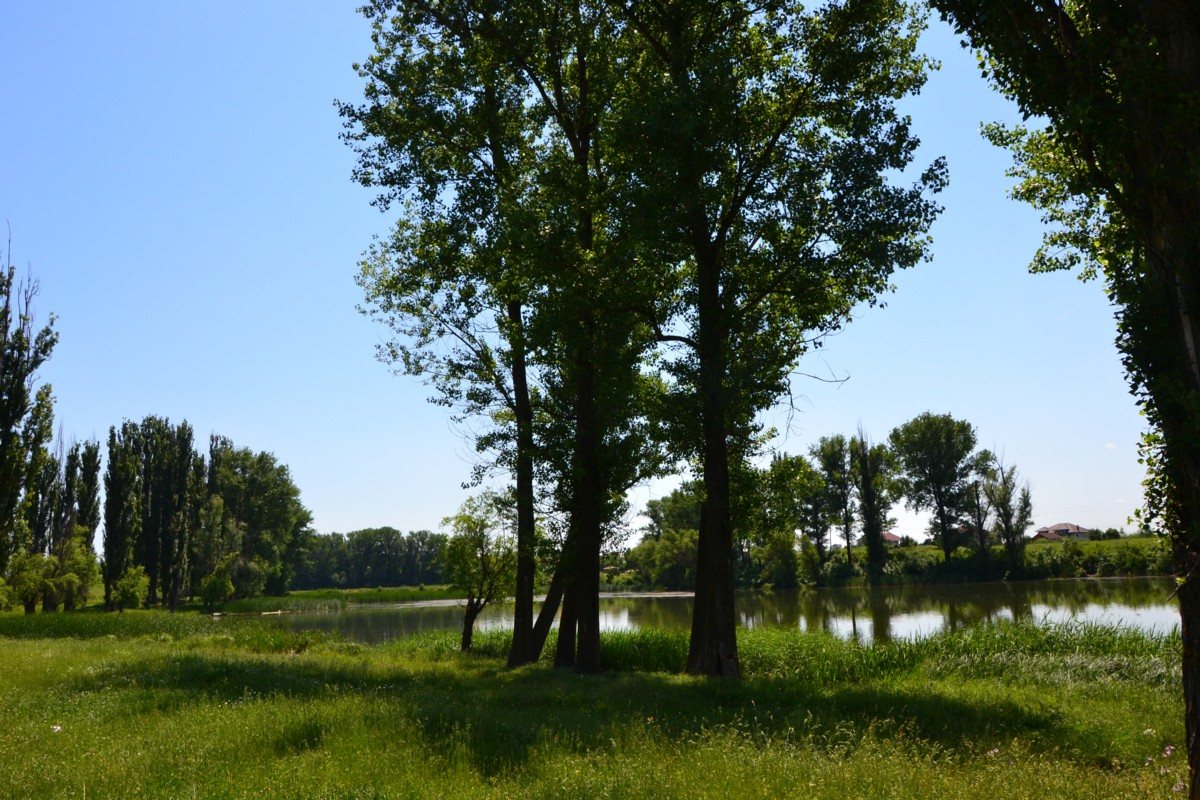
Woody plants grow mainly on the banks, and herbaceous plants are represented by aquatic species: Populus alba (white poplar), Populus nigra (black poplar), Salix purpurea (purple willow), Typha angustifolia (lesser bulrush), Phragmites australis (common reed), Thelypteris palustris (marsh fern), Elatine triandra (waterwort), Iris pseudacorus (yellow flag), Schoenoplectus lacustris (common club-rush), Cyperus longus (galingale), Elodea canadensis (Canadian waterweed), Trapa natans (water chestnut), Alisma plantago-aquatica (water-plantain), Sagittaria sagittifolia (arrowhead), Vallisneria spiralis (tape grass), Carex elata (tufted sedge), Stratiotes aloides (water soldier), Butomus umbellatus (flowering rush), Najas minor (brittle naiad), Potamogeton gramineus (various-leaved pondweed), Ranunculus repens (creeping buttercup), Nuphar lutea (yellow water-lily). The marsh vegetation of bulrush and other marsh species provides typical nesting habitat for many species of water birds.
The fauna includes many species from all classes of vertebrates:
– Mammals: Neomys fodiens (water shrew), Talpa europaea (mole), Mustela erminea (stoat), Mustela nivalis (weasel), Meles meles (badger), Erinaceus europaeus (hedgehog), Cricetus cricetus (common hamster), Rattus norvegicus (brown rat).
– Birds: Anas platyrhynchos (mallard), Aythya ferina (common pochard), Anser anser (greylag goose), Acrocephalus arundinaceus (great reed warbler), Acrocephalus melanopogon (moustached warbler), Fulica atra (coot), Gallinula chloropus (moorhen), Ardea cinerea (grey heron), Ixobrychus minutus (little bittern), Cygnus olor (mute swan), Podiceps cristatus (great crested grebe), Gavia immer (great northern diver), Phalacrocorax carbo (cormorant), Ciconia ciconia (white stork), Egretta alba (great egret), Egretta garzetta (little egret).
– Reptiles: Natrix tessellata (dice snake), Natrix natrix (grass snake), Podarcis taurica (Balkan wall lizard), Lacerta viridis (European green lizard), Emys orbicularis (European pond turtle), Testudo hermanni (Hermann’s tortoise).
– Amphibians: Salamandra salamandra (fire salamander), Bufo viridis (green toad), Rana ridibunda (marsh frog), Triturus cristatus (great crested newt).
– Fish: Gobio kessleri (Kessler’s gudgeon), Leucaspius delineatus (sunbleak), Pungitius platygaster (southern ninespine stickleback), Misgurnus fossilis (weatherfish), Carassius auratus gibelio (Prussian carp), Scardinius erythrophthalmus (rudd), Umbra krameri (European mudminnow).
Invertebrates include Libellula depressa (broad-bodied chaser dragonfly), Mantis religiosa (praying mantis), Cerambyx cerdo (great capricorn beetle) and Parnassius apollo (Apollo butterfly).
Eighteen species of gastropods have also been recorded in the area, five of them new to the fauna of Oltenia: Fagotia esperi, Fagotia acicularis, Aplexa hypnorum, Segmentina nitida, Stagnicola corvus.
The area is favoured not only by birds, animals and fish but also by people. Many come here to spend a few hours outdoors or to go fishing.
Download the study
Preajba–Făcăi Lake Complex – study (PDF in Romanian, 12 pages, 5.6 MB), with all the photographs. The practical information in the study dates from 2016.
About the project
The film was made by Asociația Mereu pentru Europa, and the study was written in the same project: “Green School Education as a Promotion of Sustainable Use of Cultural and Natural Heritage and Resources”, code 15.2.1.001 (February 2016 – August 2017), co-financed by the European Union through the European Regional Development Fund under the Interreg V-A Romania–Bulgaria Programme. The content of this material does not necessarily represent the official position of the European Union.