

The Danube floodplain in Dolj County – from Cetate to Bechet, with a documentary film
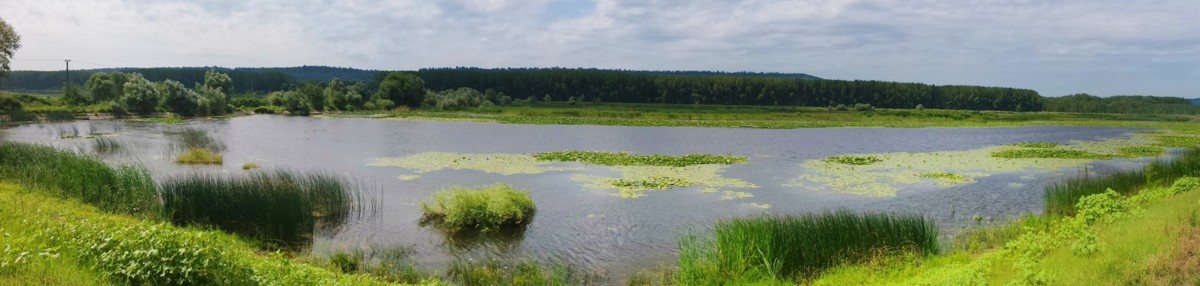
The Danube has always been of great importance to people. The river links destinies, peoples and civilisations across Europe. The naturalist Grigore Antipa called it “the greatest treasure with which nature has endowed our country”. The Danube floodplain is up to 10 km wide in Romania, much wider than in the neighbouring countries.
Text translated from the study produced in 2016 in the “Green School Education” project. The description shows the places as they were at that date.
Documentary film: the Danube floodplain in Dolj County
The 16-minute film, made in the same project, follows the Dolj bank of the Danube. The narration is in Romanian.
The floodplain includes aquatic ecosystems, natural meadows, forests and wetlands. Several million people depend on its wetlands, which are essential for food (fish, water birds, mussels and other species). The floodplain provides shelter and breeding areas for fish, birds and other species, and over time it has been a refuge for people too. It purifies water (filtering and breaking down pollutants), reduces the effects of drought (it stores water when the river rises and then releases it gradually, so that groundwater is fed for longer) and lowers the risk of flooding (by storing flood water).
The Danube and its floodplain also have extraordinary tourist potential. The area attracts visitors of all kinds, from nature lovers to specialists who come to study this land, in places untouched, which shelters a great many species of birds, plants and fish, some of them endangered.
In Romania the Danube floodplain stretches from the Iron Gates to Călărași. In Dolj County it is about 115 km long, between the communes of Cetate and Călărași. It is an area of particular beauty, offering any traveller a dreamlike landscape shaped by the river.
Port Cultural Cetate
Following the Danube through Dolj County, the first landmark coming from Mehedinți County is the commune of Cetate. Almost 2 km from the centre of the commune is the Cultural Port, a place unique for its setting and artistic events, set up in the former agricultural port of the boyar Barbu Drugă and in the border guards’ garrison building. The space between the Danube and the manor is taken up by Înger Parc (Angel Park), with works by the artists who have taken part over the years in the creative camps.
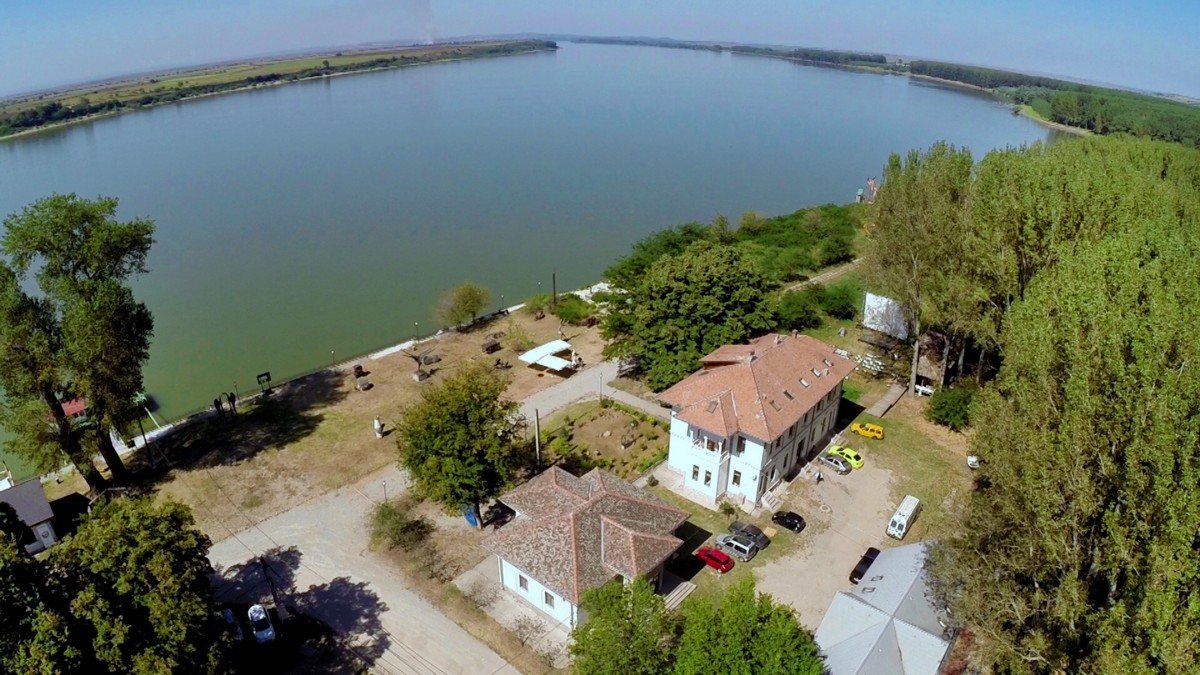
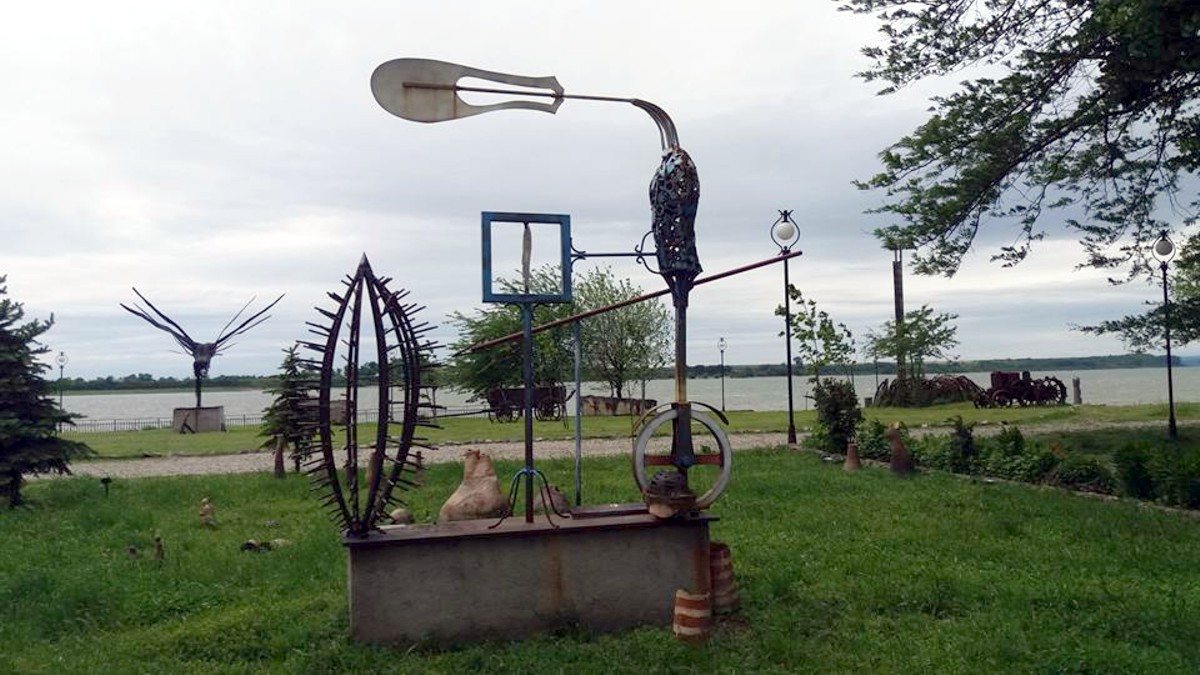
From early spring to late autumn, Port Cultural Cetate is a meeting place for poetry, music, film and the visual arts. Its most important event is the Divan Film Festival, a festival of film and culinary art that conveys the spirit of Balkan multiculturalism very well. Here the success of a cultural event is guaranteed by good wine and delicious food. The programme is a collage of film screenings, photography exhibitions, concerts, workshops, book launches and wine and food tastings.
The host of these events is the poet Mircea Dinescu, who has also set up a winery here. The story of the Port Cetate wine begins, in his words, “with a hill wooded with vines, above which the sun walks hand in hand with the Danube breeze, and ends with the testimony of that friend who, after drinking two glasses in the evening, woke up in the morning more handsome and more clever“. As Dinescu also says: “Too often the scent of the Balkans has been associated with the exclusion of national identity, so I thought that cultural bridges over the Danube would give life to the historical calling of the two peoples, Bulgaria and Romania.”
The floodplain at Maglavit. Maglavit Monastery
From Port Cultural Cetate the road winds along the Danube past a beach of almost 3 km, fitted out with umbrellas, sunbeds and small bars, ready to receive guests in summer. The beach alternates with the shady trees of the floodplain, places sought out by keen anglers.
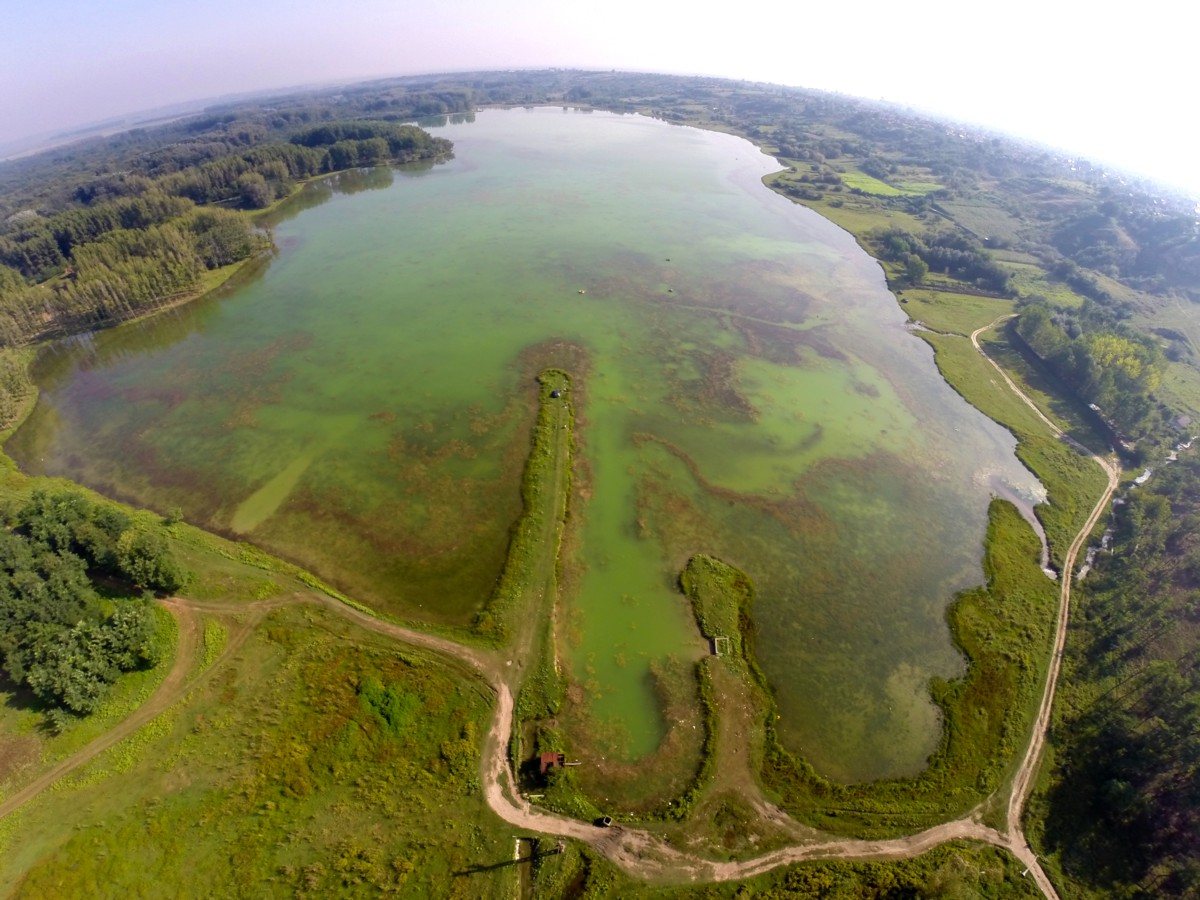
About 30 km from Cetate and documented since the 14th century, the commune of Maglavit took its historical name from the many herds of cattle that grazed in the area. The surroundings are a paradise for those who love walking in nature. The Maglavit and Hunia ponds are surrounded by rich and varied vegetation where roe deer and hares shelter and water birds nest. Those who come here for the first time have unforgettable experiences and gladly return.
Nearby there is a trout farm, developed thanks to the many springs whose water is similar to mountain water. This creates excellent conditions for raising trout and sturgeon, fish that need cold, fresh water. The trout farm also offers accommodation and the chance to fish nearby.
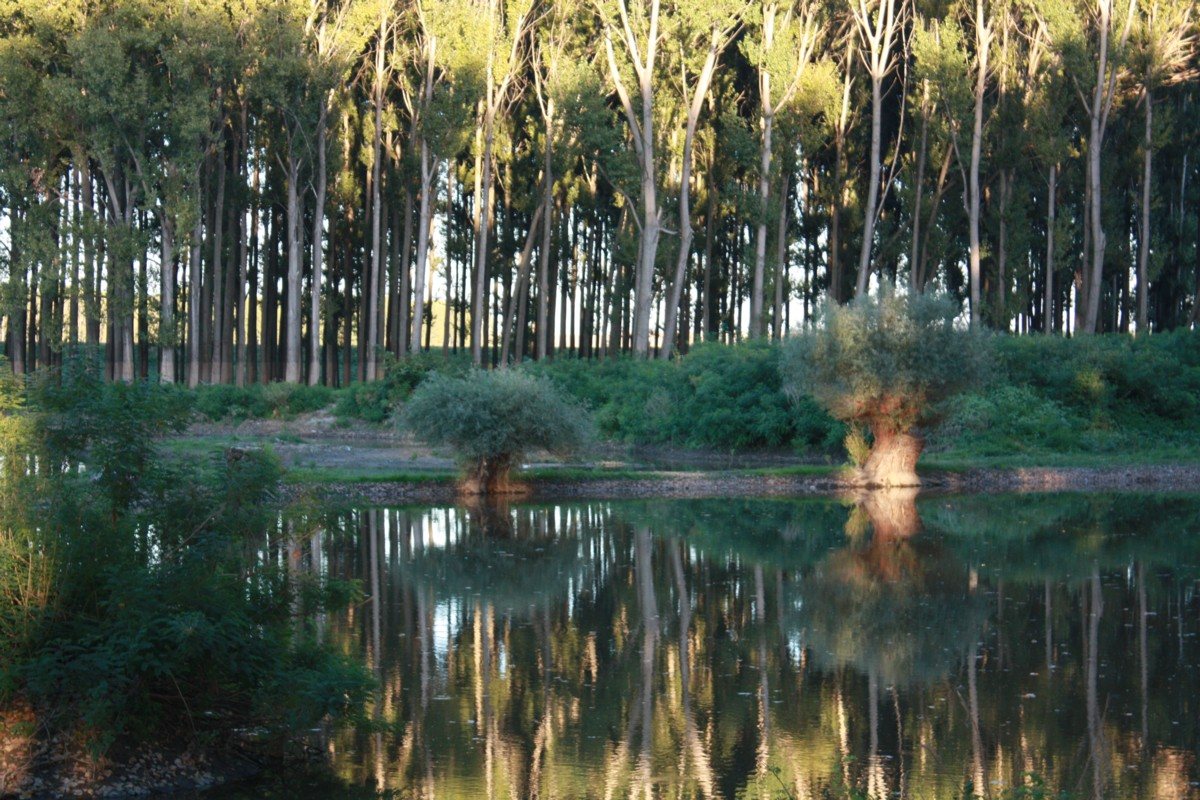
A few kilometres from the commune, sheltered by the forest and guarded by the Danube, stands the Holy Monastery of Maglavit. Its story is closely linked to that of Petrache Lupu, a simple local shepherd who began to have visions in which he spoke with God. The religious phenomenon that followed grew to a great scale and led to the building of the monastery on the very spot where the shepherd grazed his sheep and had these revelations.
The Danube at Calafat
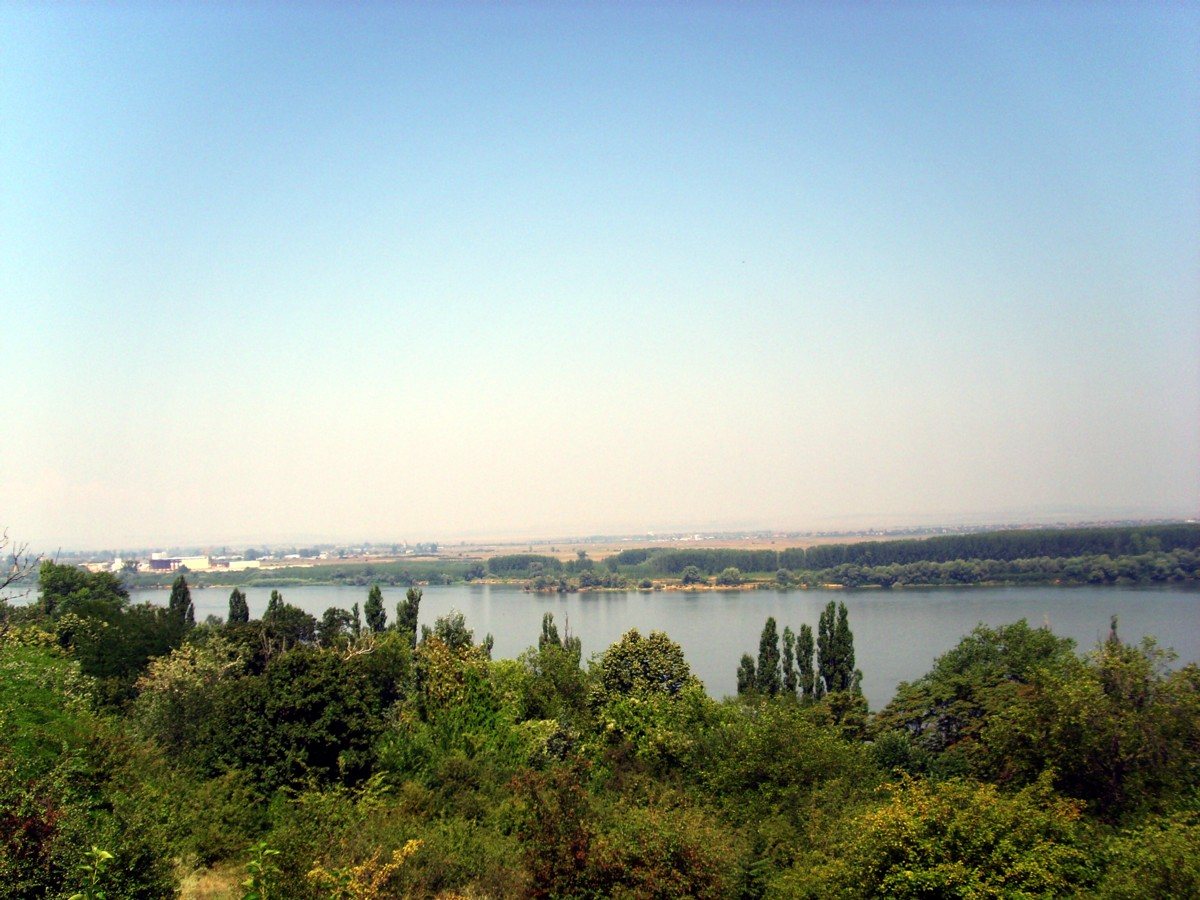
The town of Calafat is the most important Danube settlement in Dolj, also called “the town of roses, chestnuts and oaks” for the shady trees lining its streets and the colours of the flowers and roses in its green spaces. Calafat is one of the main points on Romania’s road map, thanks to the bridge over the Danube. Opened in 2013, it is the second Danube bridge linking Romania and Bulgaria, after the one between Giurgiu and Ruse.
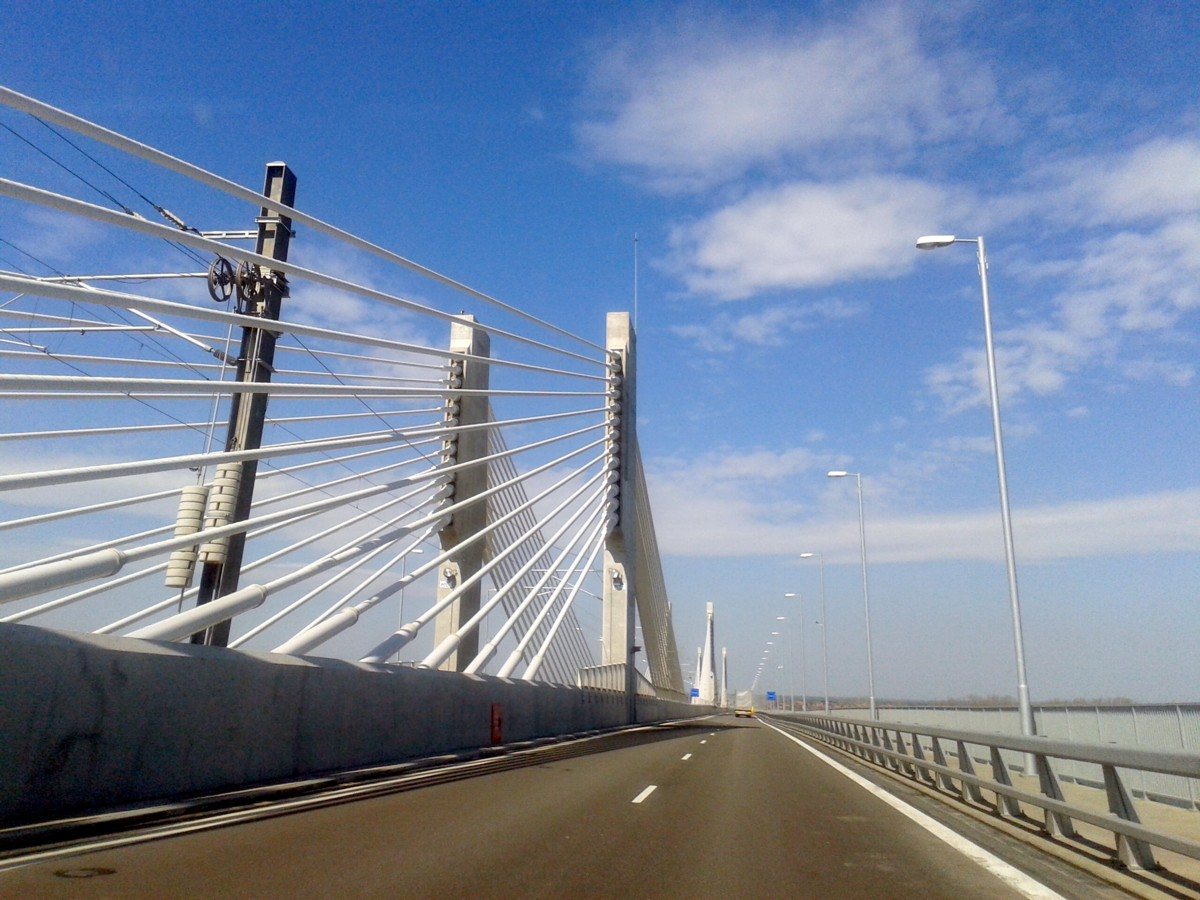
The bridge has four road lanes, a single-track railway and a cycle path. The Danube gives Calafat not only the chance to develop economically through the transit of goods but also to become an important ecotourism landmark, thanks to the beauty of the places near the town.
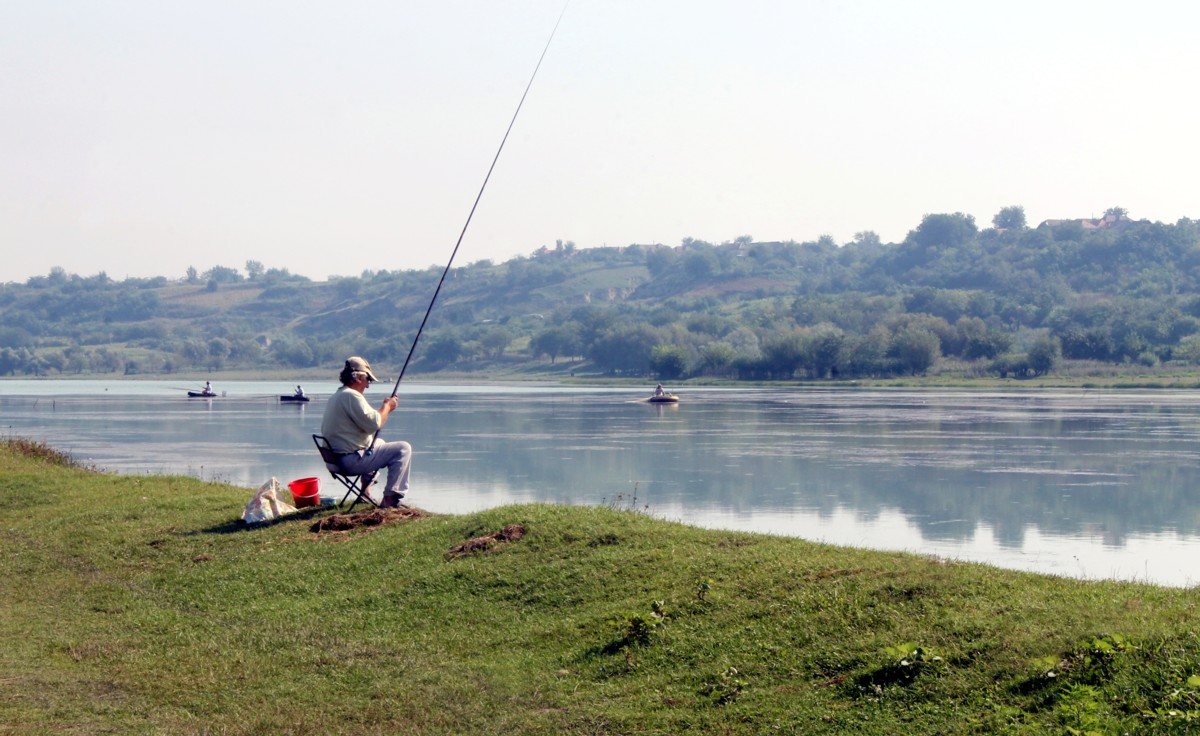
A few kilometres from the town, nature lovers can enjoy the landscape in peace while fishing. The clear surface of the water is covered here and there by the fresh green of aquatic plants, and the half-hidden figures of anglers can be seen waiting patiently for a catch worth a story. Fishing boats rock on the waves, ready to set out at any time. The most common fish are carp, rudd, perch, asp and zander, but pike, catfish and even sterlet are sometimes caught.
Ciuperceni–Desa nature reserve
Very close to Calafat is a nature reserve of great geographical variety, with ponds, river islands and channels dotted with reeds and aquatic vegetation, totalling 105 sq km. It includes several protected areas: Ciuperceni–Desa (39,765 ha), Calafat–Ciuperceni–Danube (29,206 ha), Balta Lată (28 ha) and Balta Neagră (1.20 ha). The whole reserve stretches along the Danube, across several localities: Calafat, Ciupercenii Noi, Desa, Ghidici, Piscu Vechi, Poiana Mare and Rast.
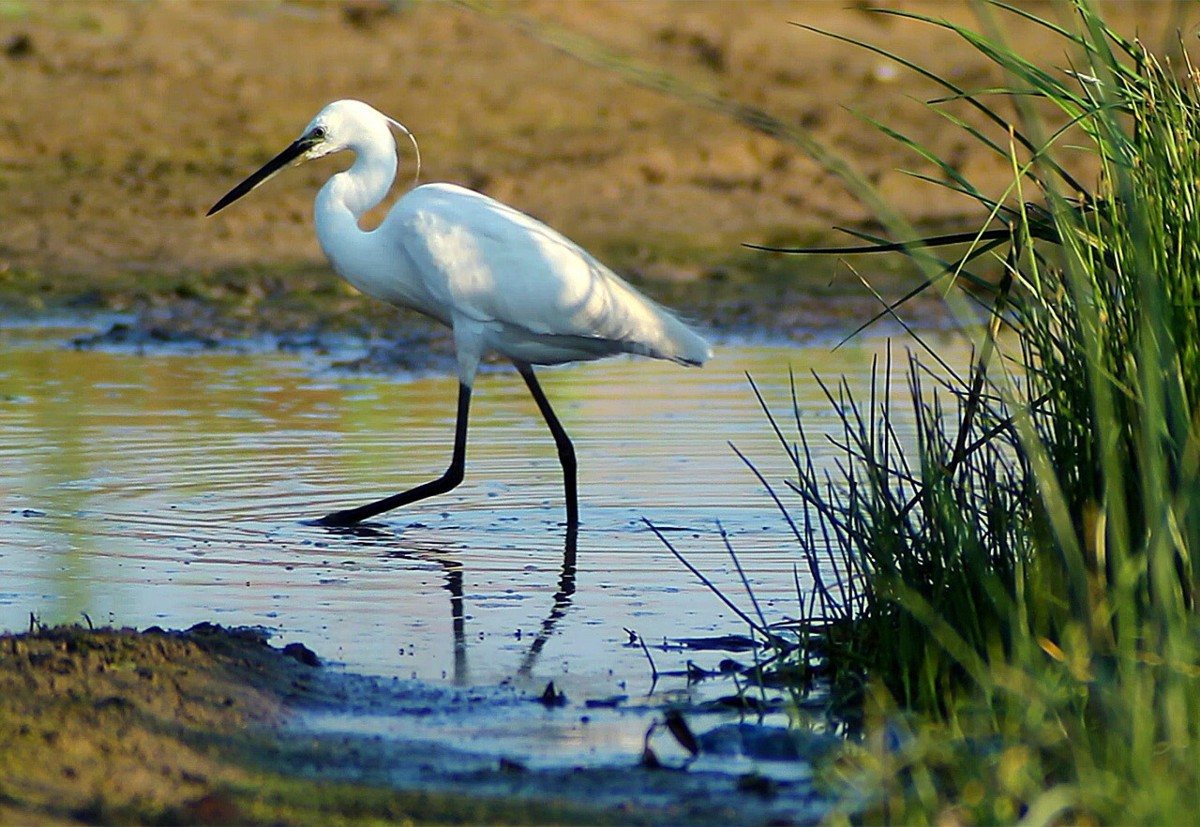
The wetlands of the Ciuperceni–Desa protected area are favourable stopping places for many migratory aquatic species that belong to the international natural heritage, many of them of conservation concern.
Here too is the Ciuperceni–Desa Ornithological Reserve, covering 200 ha, bordered to the north by Poveazele Forest, to the east by Dealul Grănicerilor and to the south by the Arcerul riverside forest.
This reserve is the only place in the Danube floodplain that has remained undyked, and it is an important nesting site for species such as the little egret (Egretta garzetta), the purple heron (Ardea purpurea), the black stork (Ciconia nigra), the great crested grebe (Podiceps cristatus) and the gadwall (Anas strepera).
All these species find here an ideal habitat in which ponds alternate with pastures and with poplar and acacia woods. The nearness of the Danube and this chain of ponds, rich in birds and fish, creates extraordinary ecotourism potential. For the beauty of the place and the richness and rarity of its bird species, the ornithological reserve at Ciuperceni–Desa was declared a protected natural area in 2000.
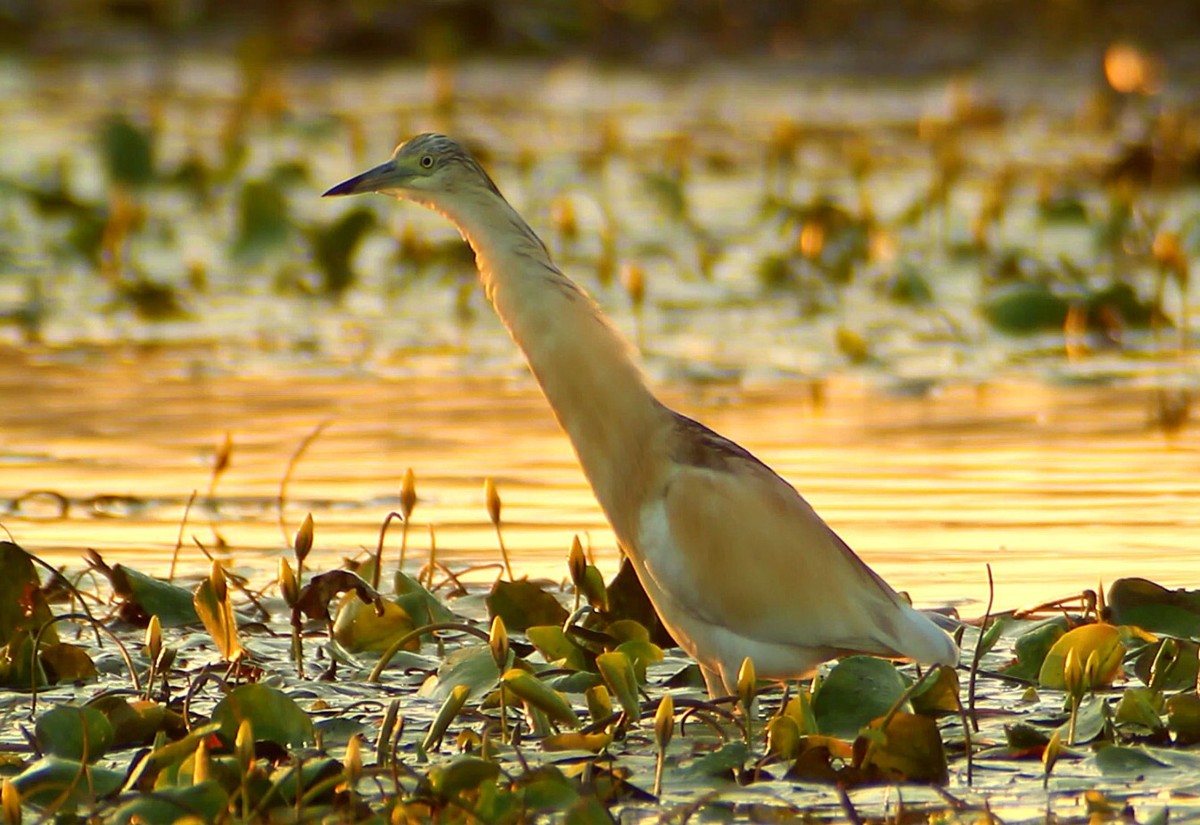
The area is also well known to anglers, who can catch carp, pike, roach, perch, rudd and bream here.
Near the reserve there are several sights:
– the Church of St Nicholas in Desa, built in 1860, a historical monument;
– the Roman fort at Desa;
– the Castravița Museum in Desa.
Ciurumela Forest reserve
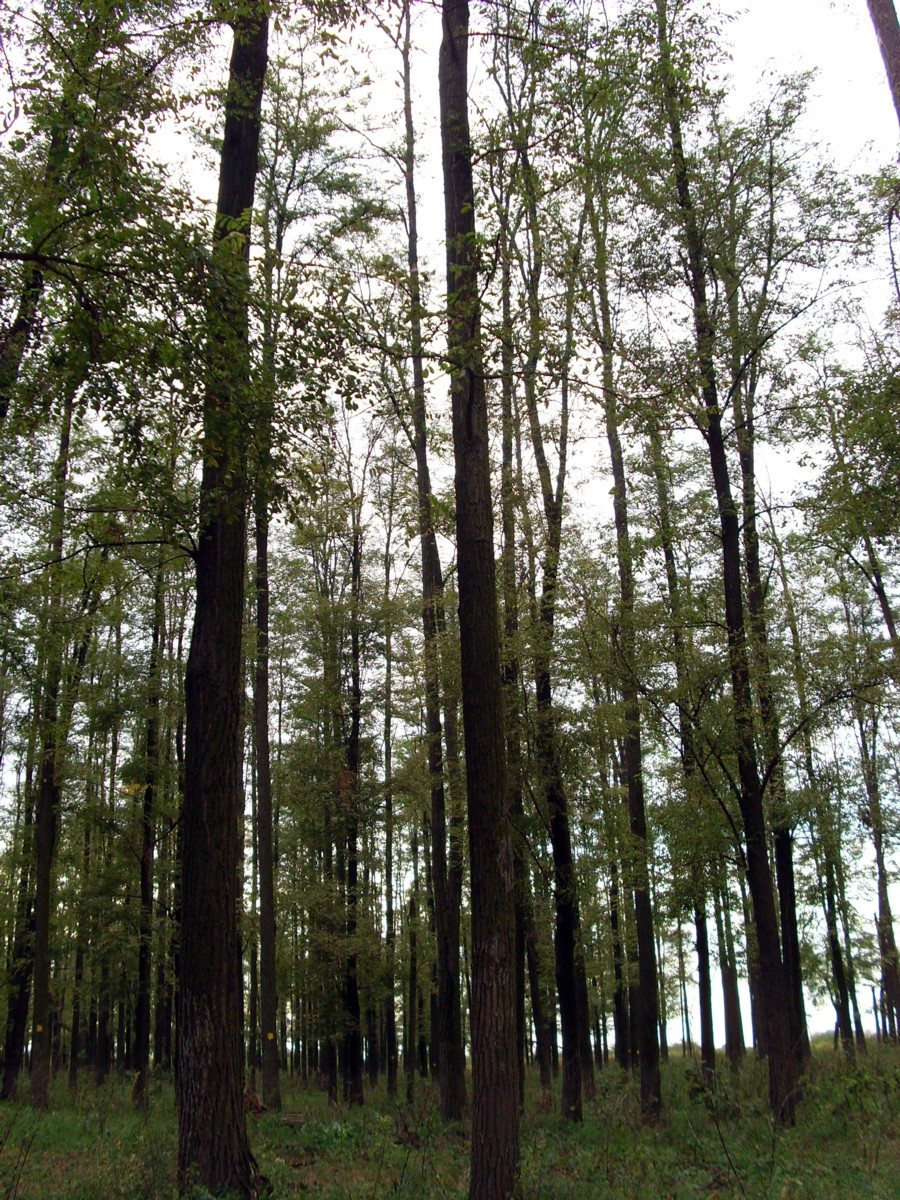
The road continues to Poiana Mare and the Ciurumela Forest nature reserve, 5 km from the village, in the Piscu-Tunari forest body. It is more than 100 years old and covers 8–10 ha. It is a forest reserve of old black locust (acacia) trees, known for timber quality and tree sizes unique in Romania. According to the study, it is the only forest in Europe where the “Oltenica” variety of black locust grows.
The ponds of the Bistreț–Ghidici area
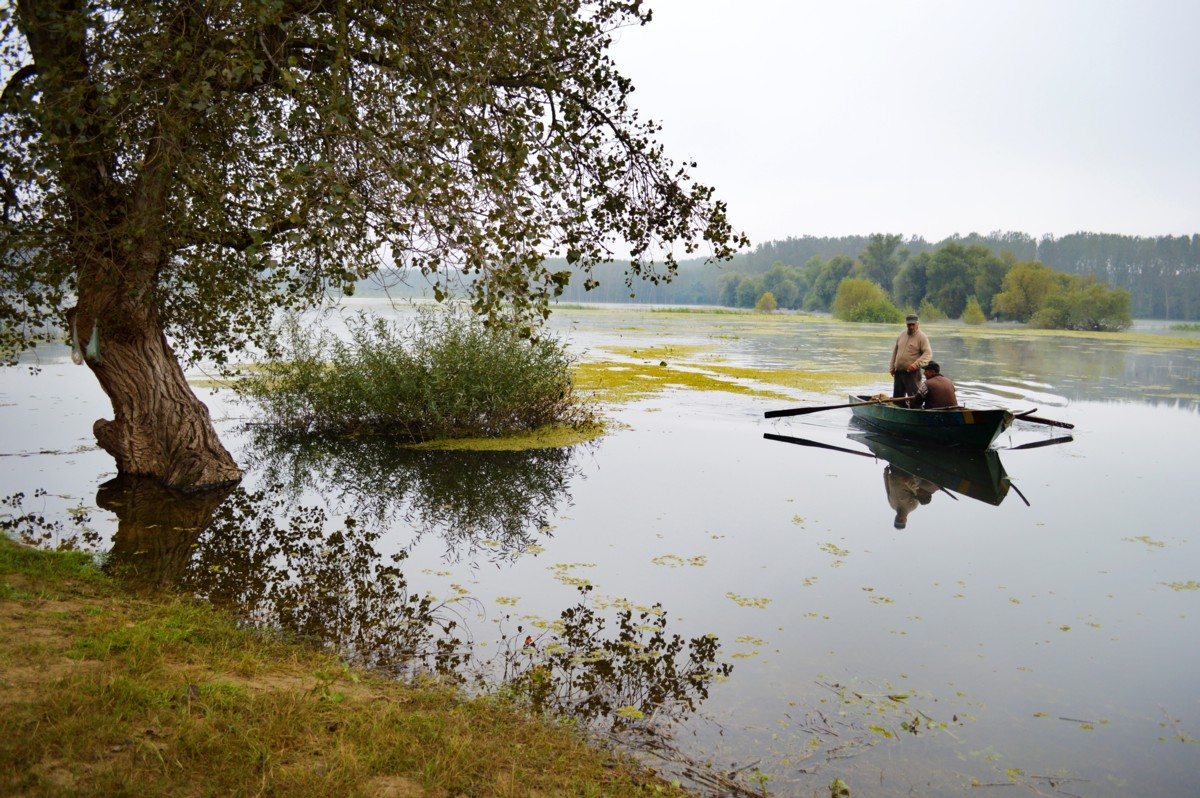
Further along the river is the Bistreț–Ghidici area. Here the floodplain excels in the beauty and wildness of its landscapes and could rival the islands of the Danube Delta. The banks are flanked by curtains of trees or reeds reflected in the water in a wealth of shades. Here and there a solitary tree with submerged roots lifts its dry branches from the water. Fishing here is a delight for the eye, a joy for the soul and a treat for the palate.
From early morning, when the mist rises from the pond, until midday, anglers’ boats glide across the water. The ponds hold many species of fish, and local fishing stories tell of record catches. Stories aside, a fishing trip in the Ghidici ponds almost always ends with a rich catch. With no modern kitchen, only a fire of twigs, a good knife and a skilled hand, any angler becomes a master cook on the bank. Fish soup in a cauldron, or fish well salted and grilled over embers, rivals the finest dishes served in luxury restaurants. The area is a true hydrographic complex, a chain of ponds stretching along the Danube. The surroundings of Lake Bistreț are an aquatic paradise, declared a Natura 2000 site for their natural value and the wealth of species living here.
The confluence of the Jiu and the Danube
In the south-east of Dolj County there is another natural area of great beauty: the place where the Jiu meets the Danube, at kilometre 692 of the river (counted upstream from the sea). The natural area of 19,800 hectares lies on the boundary between the Băilești Plain and the Romanați Plain and is crossed by national road DN55A, which links the ports of Bechet and Calafat.
The confluence is a landscape of running waters with their ponds and channels, bordered by floodplain forests, with areas of pasture and arable land. There are also woods with centuries-old oaks, ashes and elms. In the thickets of the floodplain forests (with white poplars), still relatively natural in places, you can have the feeling of untouched nature.
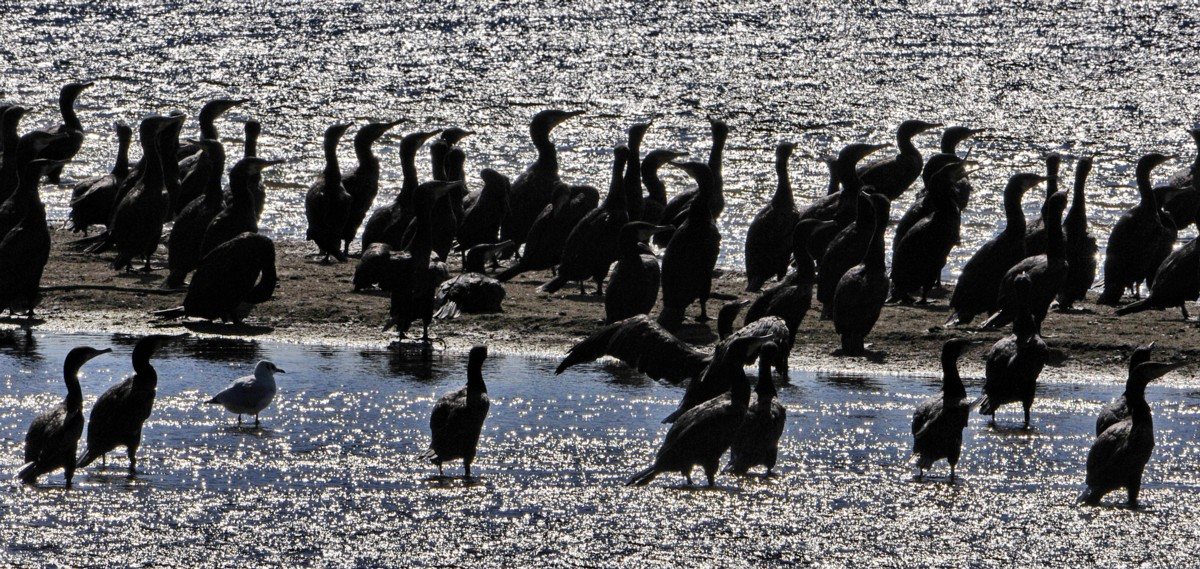
You can often see black and white storks, flocks of great cormorants, ferruginous ducks, great and little egrets, spoonbills and dozens of other species, some of them protected.
The mineral baths at Gighera
Besides the landscape and the thousands of birds that find a home here, the commune of Gighera also has mineral springs.
On the bank of the Jiu, next to a salt meadow, there are four mineral springs with therapeutic properties, a basis for developing spa tourism in the area. The effects of the Gighera mineral waters were discovered in the 19th century, and there was once a spa here known beyond the country’s borders. The baths were closed in 1941; after 1990 the local administration tried to revive the resort, so far without success. Analyses of the water from the four boreholes showed the special qualities of these sources, which can be used both for drinking cures and for external treatment, for a wide range of conditions.
On the left bank of the Jiu, at the confluence with the Danube, is a forest of centuries-old oaks. It is said that the huge doors of the Palace of Parliament (the People’s House) were made from these trees. Unfortunately, because of illegal logging, the number of oaks has fallen considerably.
On the western edge of the oak forest, between the forest edge and the Jiu, parallel to the flood dyke, a holiday village was built, with three-star bungalows, a camping platform for 100 places with hook-ups for caravans and sanitary facilities, a restaurant with day bar and terrace, and a football pitch.
At the date of the study there was a project to develop the area, including a club with billiards, fitness, sauna, an open-air disco bar, outdoor pools, sports grounds and a pontoon for water sports.
The place is well known to cyclists in particular, as it lies on the Danube cycle route (EuroVelo 6).
Bechet
The town of Bechet is the second-largest Danube port in Dolj County, after Calafat. At the beginning of the 20th century, according to documents of the time, almost 4,000 workers were employed in the port, a sign of the town’s prosperity. Today its development strategy focuses not only on trade but also on ecotourism, given that the Danube is not just a transport corridor but a resource for tourism waiting to be used.
As a port town, Bechet celebrates its town day every year on Navy Day, 15 August. Folk groups from both banks of the Danube show their traditional costumes in a parade, and a folk music marathon runs all day. On the same day, people from Bechet and the surrounding area are invited on a free ferry trip on the Danube, almost to the Bulgarian bank.
Aspiring to become a tourist town, Bechet already has guesthouses and villas.
Călărași
The commune of Călărași is one of the largest in Dolj County, in the Danube valley, very close to Bechet. In a few years the centre of the commune has taken on a new look, with new buildings and redesigned green spaces.
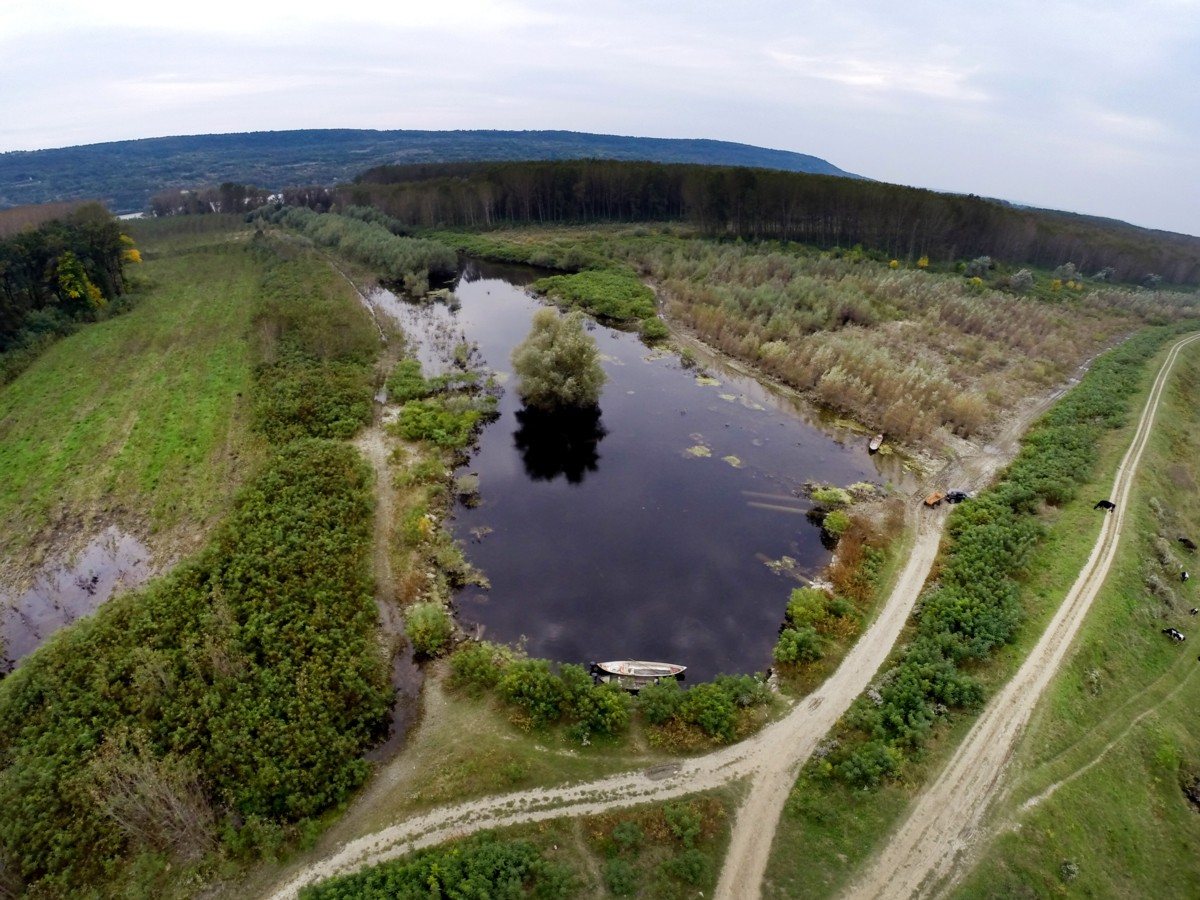
Part of the Danube floodplain, the surroundings of Călărași are a landscape of wild nature with varied vegetation, where stretches of water lie alongside curtains of forest and reeds, forming channels and islets of particular beauty. Local people know the way to all these natural gems, and a first-time visitor is amazed by the play of light and shade of the vegetation reflected in the water. For anglers these places, where the silence is broken only by the cries of water birds and the sound of oars, are a corner of paradise. Fish cooked on the bank – fish soup in a cauldron, fish on a spit or grilled on a metal sheet, with golden, steaming mămăligă (polenta) – is the best recipe for relaxation.
Visitor information
- Port Cultural Cetate: on the bank of the Danube, about 3 km from the village of Cetate; open all year, by reservation; phone +40 755 070 390; portcetate.com.
- Maglavit Monastery: Maglavit commune; phone +40 763 513 626 (number published by the Metropolitanate of Oltenia).
- Calafat, Museum of Art and Ethnography (Marincu Palace): 6 Strada 22 Decembrie; Monday–Friday 09:00–15:00, Saturday and Sunday 09:00–13:00; phone +40 251 232 521. More on the page Marincu Palace.
Information checked in November 2026. Opening hours and prices may change; check before your visit.
Download the study
The Danube floodplain in Dolj County – study (PDF in Romanian, 20 pages, 7.3 MB), with all the photographs. The practical information in the study dates from 2016.
About the project
The film was made by Asociația Mereu pentru Europa, and the study was written in the same project: “Green School Education as a Promotion of Sustainable Use of Cultural and Natural Heritage and Resources”, code 15.2.1.001 (February 2016 – August 2017), co-financed by the European Union through the European Regional Development Fund under the Interreg V-A Romania–Bulgaria Programme. The content of this material does not necessarily represent the official position of the European Union.