

The parks and gardens of Craiova – a guide and documentary film
Craiova ranks second in Romania (after Bucharest) for the total area of green spaces – 1,039 ha – and third for area per inhabitant – 33.8 sq m – after Slobozia and Miercurea Ciuc.
Text translated from the study produced in 2016 in the “Green School Education” project. The description shows the parks as they were at that date.
Documentary film: the parks of Craiova
The 16-minute film, made in the same project, presents the city’s main parks and gardens. The narration is in Romanian.
Craiova has many parks and gardens; the most important are presented below.
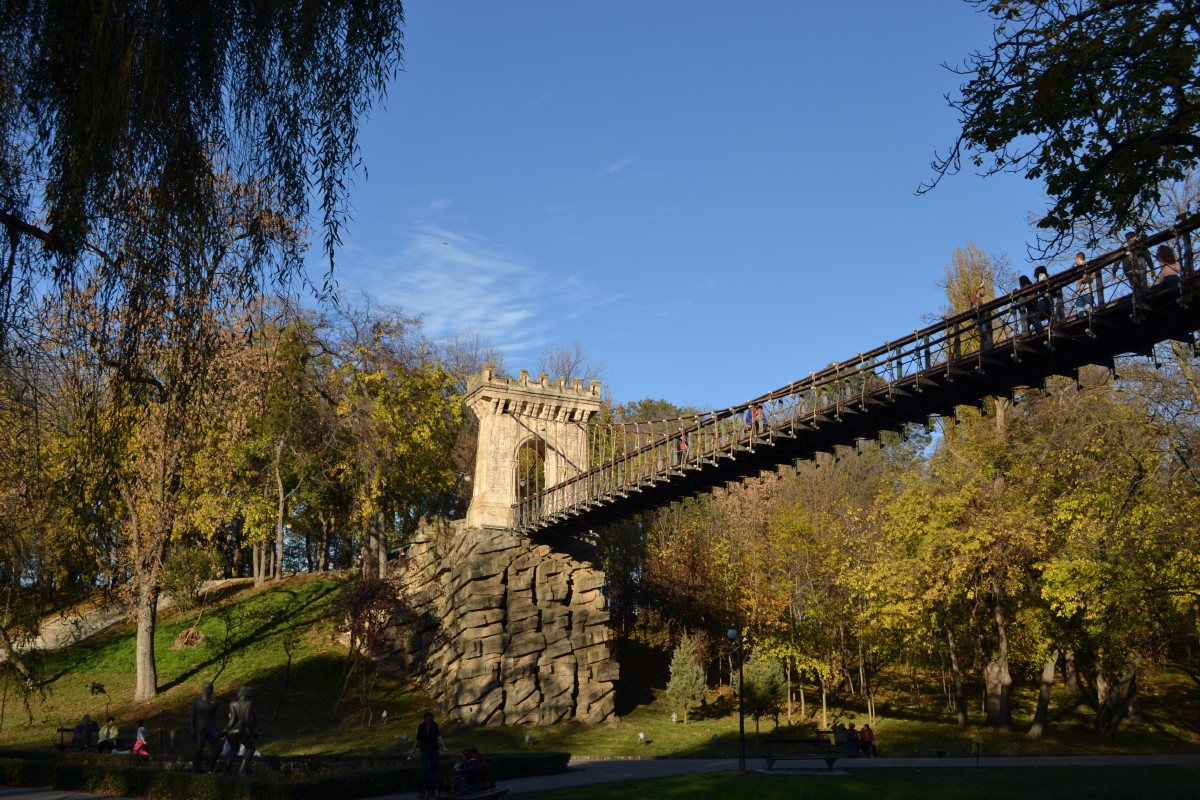
“Nicolae Romanescu” Park
One of the best-known and most popular leisure areas in Craiova is “Nicolae Romanescu” Park, regarded as one of the largest natural parks in Europe.
The park was created between 1900 and 1903 on the initiative of the then mayor of Craiova, Nicolae Romanescu, to a design by the French architect Édouard Redont, which was awarded the gold medal at the 1900 Paris Exhibition.
The park has 90 ha of plantations, 4 ha of lakes, a racecourse of more than 20 ha and 35 km of paths. It contains many works of art by leading Romanian artists and a number of leisure spots: the Enchanted Castle, the Summer Theatre, the Suspension Bridge, the Bibescu House, the Boathouse with pleasure boats, restaurants, the Racecourse, a football stadium, a zoo, a children’s amusement park and the “Nicolae Romanescu Sports Complex”, a sports base conceived in Mayor Romanescu’s time. It consists of an Olympic-size velodrome with stands, floodlights and green areas. The velodrome can also serve as a karting track, tennis, football and handball courts, an ice rink in winter and a venue for concerts and artistic events.
Location: Bulevardul Nicolae Romanescu, in the south of the city. The main entrance is at the junction of Bulevardul Nicolae Romanescu and Strada Corneliu Coposu. More on the page “Nicolae Romanescu” Park.
“Sf. Dumitru” (St Demetrius) Park
St Demetrius Park is a special place, blessed by its position and by historical ties that merge with the history of Craiova itself.
In 1889, in the drive to Europeanise the city, the Church of St Demetrius was demolished and rebuilt to plans by the French restoration architect André Lecomte du Noüy. The works lasted until 1932, when, under the law promulgated by Royal Decree no. 2943/1932, the Ministry of Education, Religious Affairs and Arts ceded to Craiova City Hall “the land and all the buildings between the Church of St Demetrius to the north, Știrbei boulevard to the south, Matei Basarab street to the east and the municipal land to the west”, in order to create “a public park” and “public roads and paths”. This restored the situation of the second half of the 18th century: the church and the Ban’s houses were “once again enclosed in a single courtyard, destined to become a public garden”.
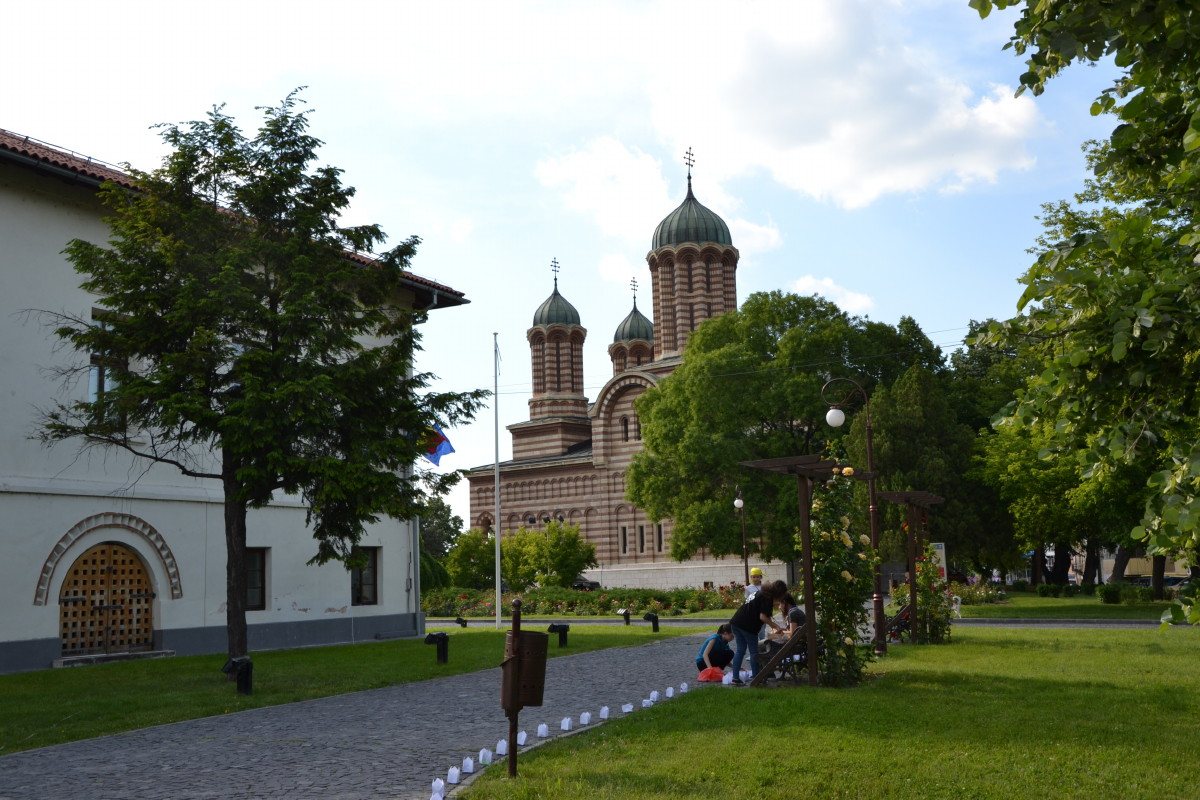
From 1933, works were carried out to complete the public garden around St Demetrius Cathedral: enclosing walls of “natural stone, retaining parapets on the west side, 55 stair steps placed at various points in the park, basalt slab paving, cubic stone kerbs and stone gutters, river boulders on the paths”. In the same year the stone cross dating from 1826 was brought from the area of the former Outer Market.
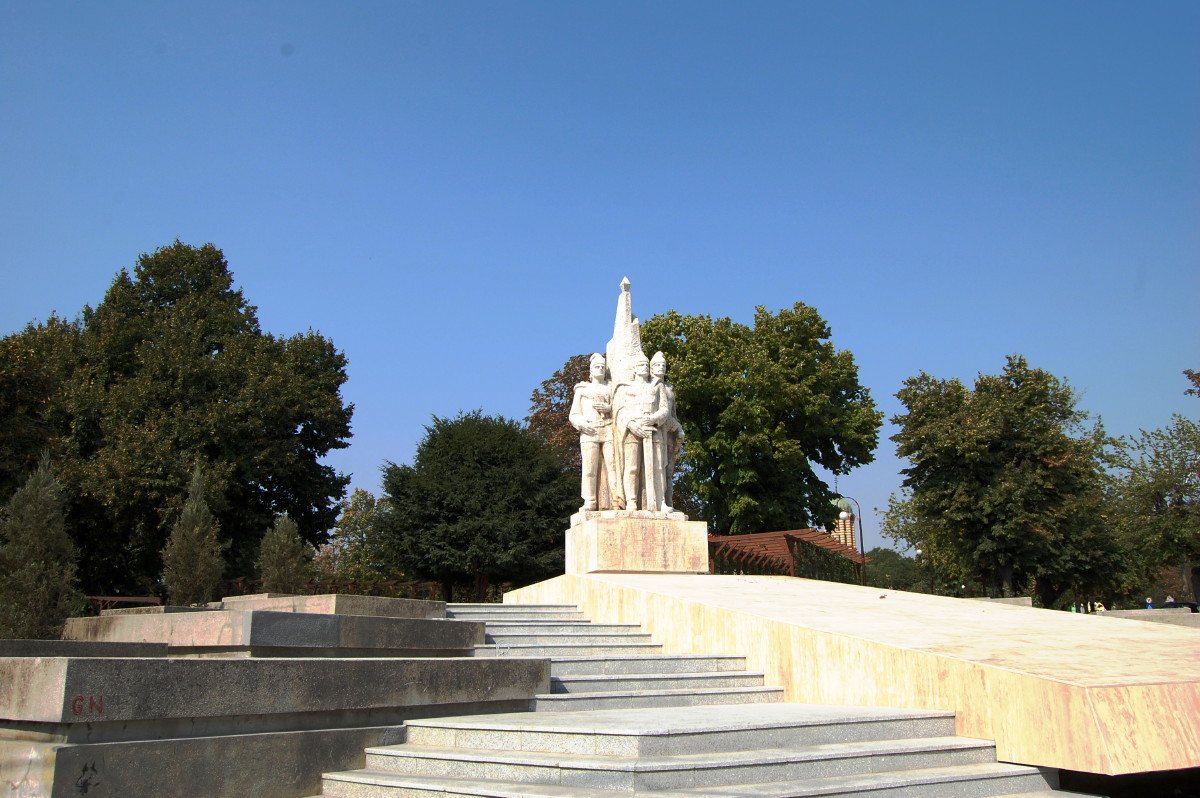
In the south-east corner of the park, also called the “Rose Garden” for its many roses, the sculptor Boris Caragea raised in 1978 an imposing monument in memory of the three Buzești brothers, famous captains of Michael the Brave.
Location: between Strada Matei Basarab, Bulevardul Știrbei Vodă and Strada Câmpia Islaz.
The Central Garden (English Park)
The Central Garden, in the centre of Craiova, in front of the City Hall, has had several names over time: Union Garden, 1 Mai, English Park. Set up by the city administration, it was laid out from 1930 through the work of N. P. Romanescu, the French architect Emile Pinard, the engineer Hesselman-Carada and the contractor Ferdinand Bulfon.
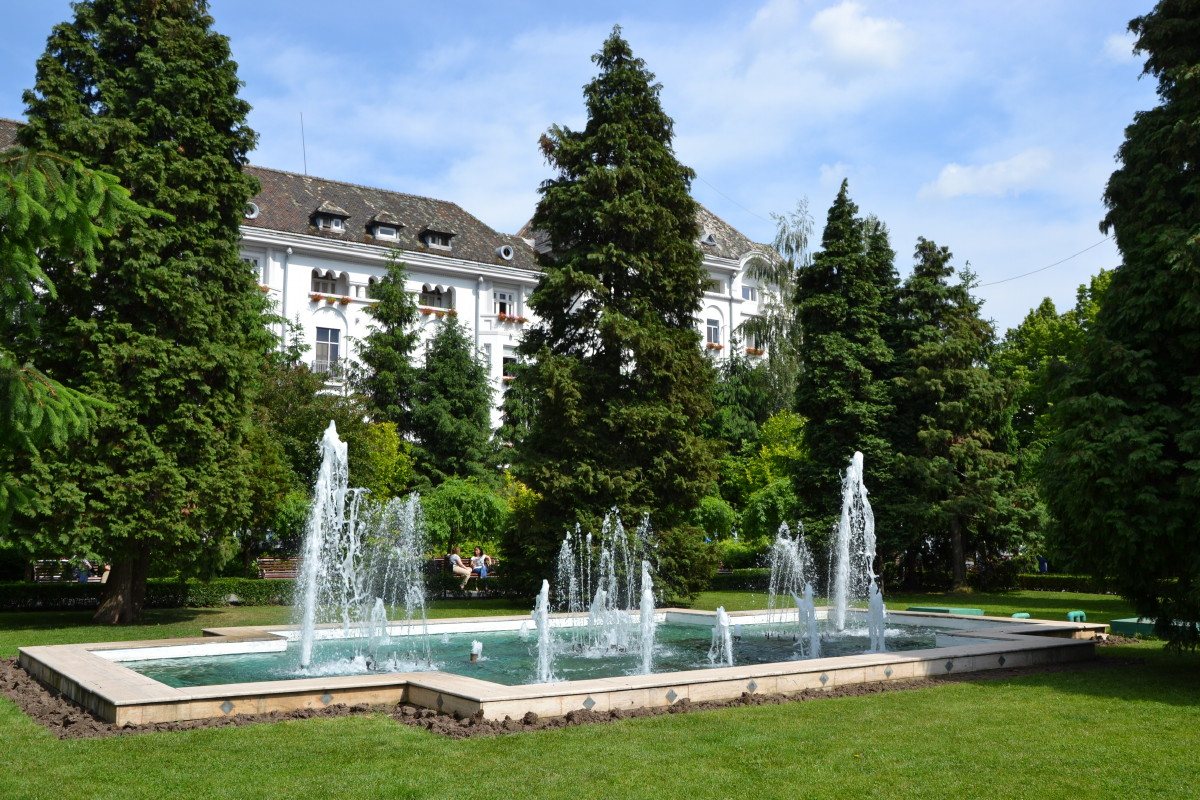
The garden measures 4,670 sq m and is an interesting imitation of London squares (hence the name English Park). Its most important work is the imposing statue of Prince Alexandru Ioan Cuza (1859–1866), made by the sculptor Raffaello Romanelli.
Location: in the city centre, in front of Craiova City Hall and behind the Dolj Prefecture, between the streets A. I. Cuza, Theodor Aman, C. S. Nicolăescu-Plopșor and Olteț.
“Mihai Bravu” Garden
The “Mihai Bravu” Garden was founded in 1875 by the then mayor of Craiova, Barbu Bălcescu (brother of the 1848 revolutionary Nicolae Bălcescu), on the site known as Maidanul Brăiloiu–Bengescu or “La Cântaru de Piatră”. Here, in 1831, the first parade of the Wallachian army took place before Spătar Alecu Ghica, caimacam of Craiova, Vornic Al. Ghica and other boyars and merchants of the city. Large popular gatherings were also held here during the visits to Craiova of Princes Alexandru Ioan Cuza and Carol I.
Renewed in 1892 by the German designer Witzel (one of the famous gardeners of Frankfurt), the garden had a total area of 12,000 sq m.
In 1939, when all the assets of the state and of the city were inventoried, the garden contained plantations of various trees (pines, spruces, American maples, wych elms) and shrubs (thuja, yew, junipers), paved paths, a rustic one-room pavilion of wattle and masonry with a shingle roof, and a “fountain with a concrete basin”.
The garden was also known as the “Youth Garden”. In front of it stands a statue of Tudor Vladimirescu, and inside it a bust of Nicolae Titulescu.
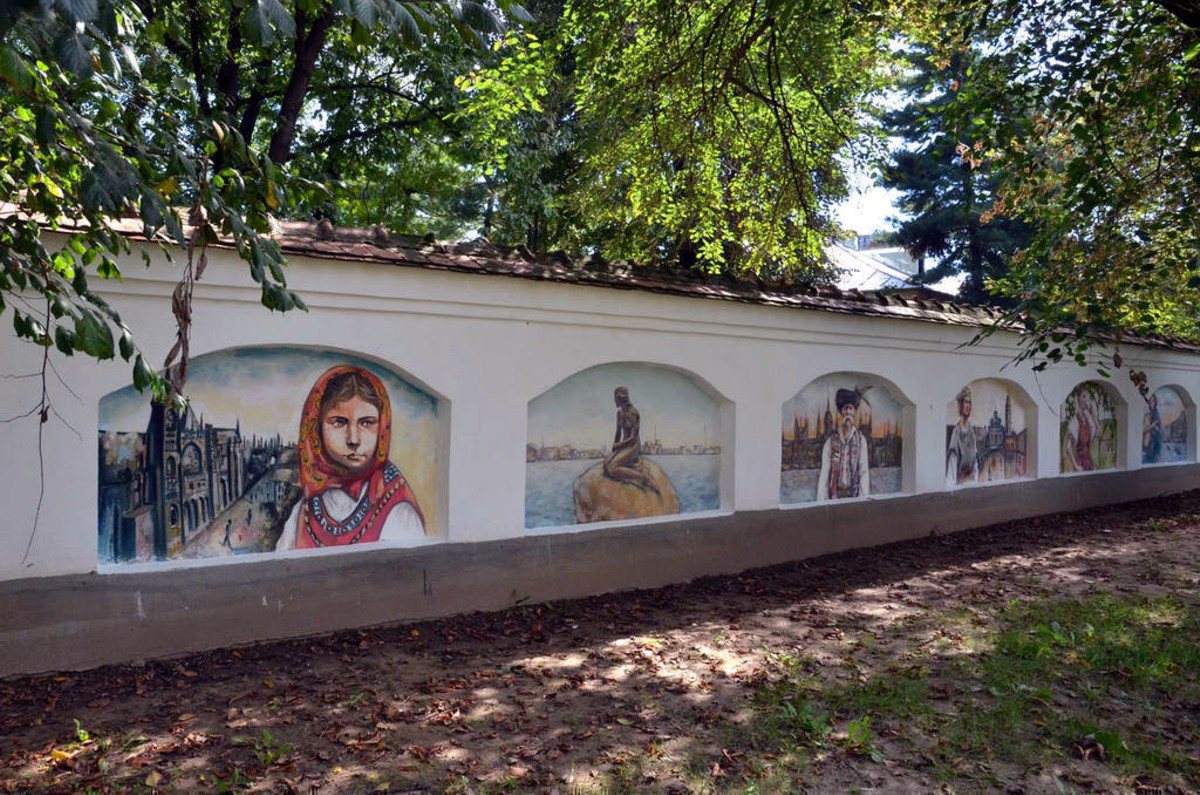
Two of the 2015 scholarship holders of the “Mitropolitul Bartolomeu” Foundation, Andrei Tonița and Ionuț Giurcă (students of sacred art at the Faculty of Theology), created a real work of art in the garden: the “Wall of Europe”, made up of 28 paintings representing the states of the European Union, one image for each country – the Eiffel Tower for France, a mermaid for Italy, a young woman in folk costume for Denmark. Romania is represented by the faces of Michael the Brave and Constantin Brâncuși and by folk costume.
The young artists used graffiti sprays, washable paint and pigments.
Location: in front of the Faculty of Agronomy and the Glogoveanu House (which now houses the Dolj Tribunal), bordered by the streets Mihai Viteazul and Brestei.
The Botanical Garden
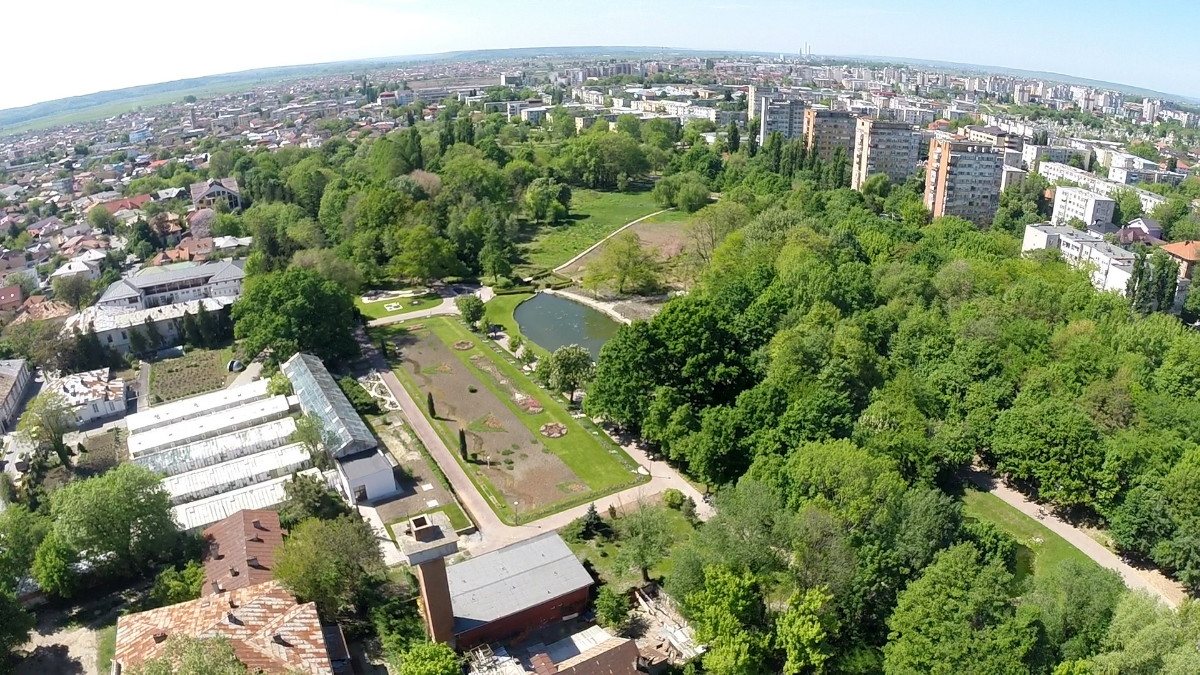
It lies in the western part of central Craiova and covers about 17 ha. It is the fourth university botanical garden in the country, after those in Bucharest, Cluj and Iași. It was conceived by the French landscape architect Édouard Redont in the first years of the last century but was created only after 1948, by expropriating the garden plots around the Jianu stream.
In keeping with the nature of such an institution, it was organised in sections similar to those of the great university botanical gardens in Romania and abroad: plant systematics, cultivated plants, flora of the globe, the ornamental section, the rose garden, flora of Romania, flora of Oltenia. More on the page The “Alexandru Buia” Botanical Garden.
Lunca Jiului – Parcul Tineretului (Youth Park)
A place of honour among Craiova’s attractions belongs to Lunca Jiului, a forest park of more than 60 ha, redesigned and raised to the rank it deserves: Parcul Tineretului (Youth Park).
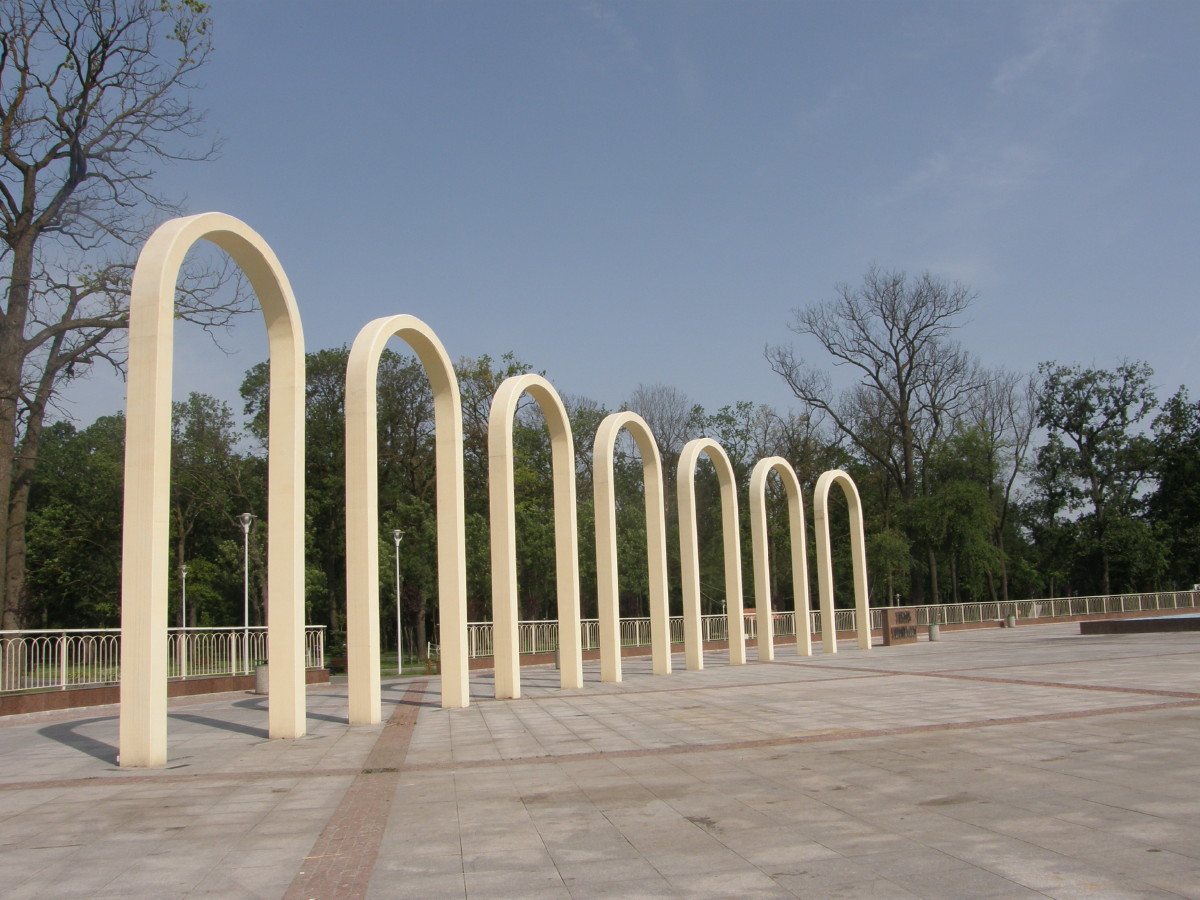
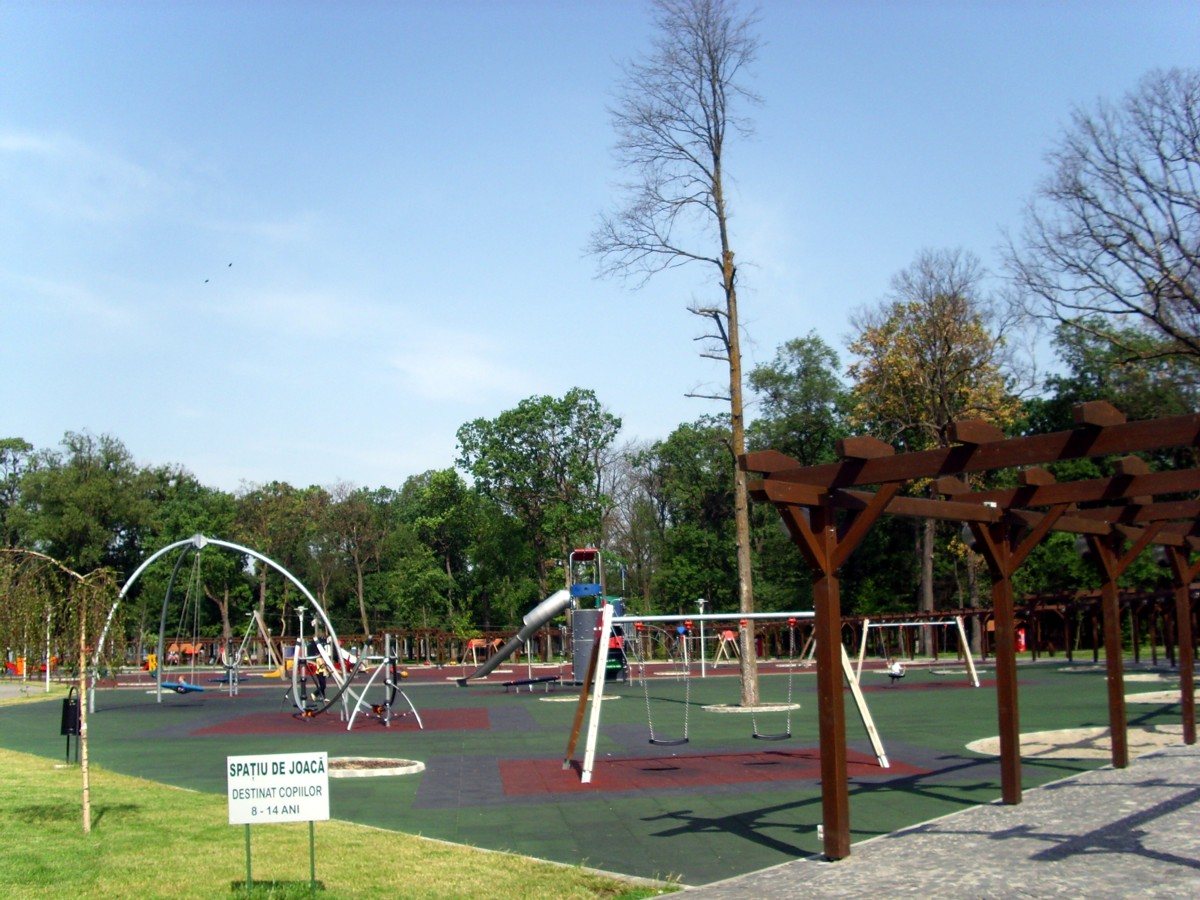
Lunca Jiului is a natural park on the western edge of the city, with interesting species of trees. It stands out for its forest landscape, fitted out for visits and leisure with paths, benches, multi-purpose sports grounds, playgrounds for children of all ages and ornamental shrubs shaped into sculptural works of art.
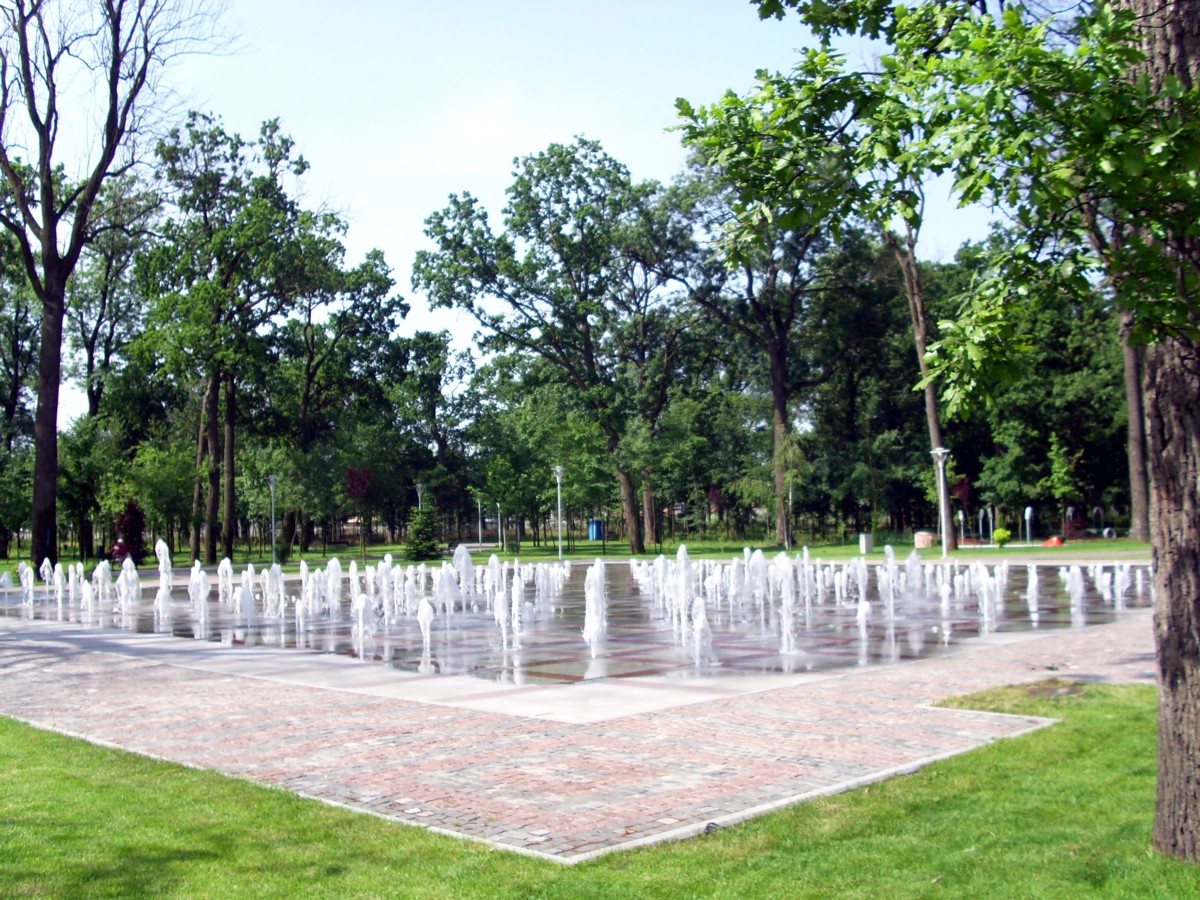
Parcul Tineretului has four approved green-set courts (40 × 20 m); four multi-purpose mini-football pitches with synthetic grass, also for basketball and volleyball (40 × 20 m); two basketball courts with synthetic surface; ten concrete table-tennis tables; ten chess tables; a roller and skate track for beginners and advanced users; an open-air stage with about 200 seats; an internationally approved minigolf course with 18 concrete lanes; playgrounds by age group; and 12 km of asphalt paths for joggers.
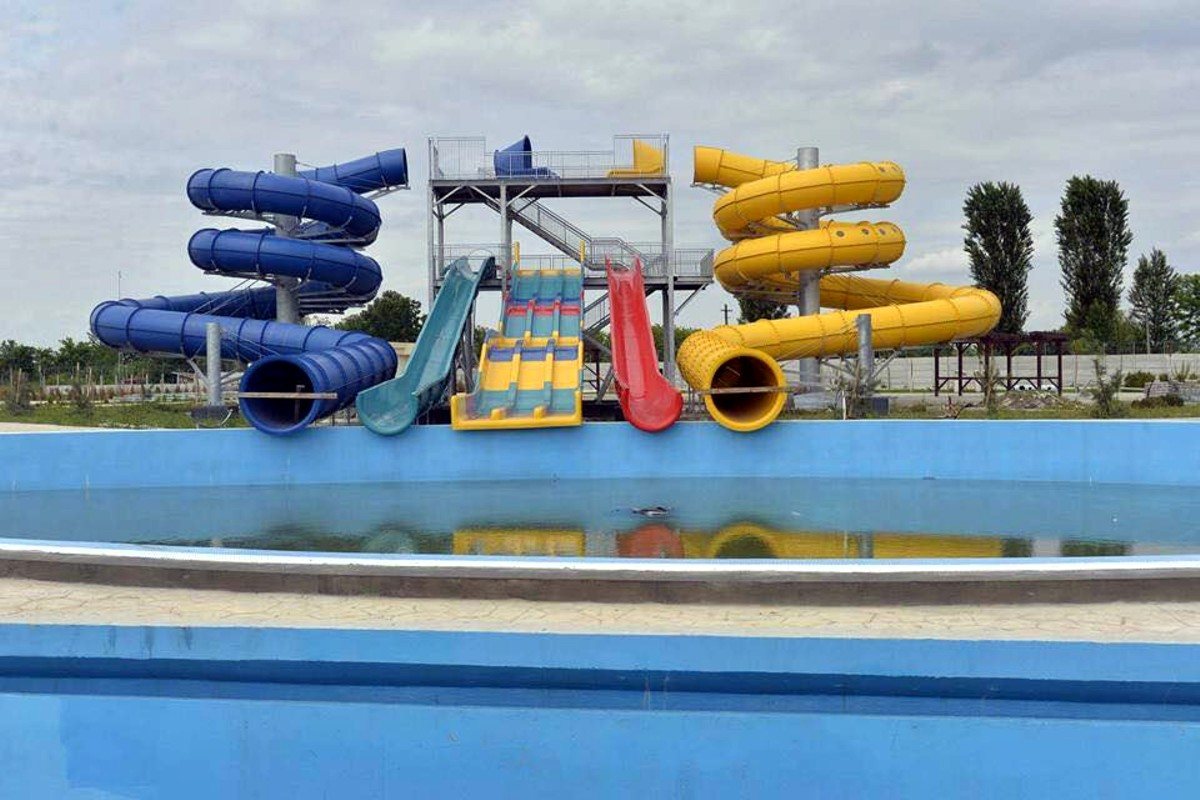
At the date of the study (2016), a water park with an outdoor and an indoor part was due to open in Parcul Tineretului. The indoor part was to include a vegetation area with bridges linking the island in the middle of the water to the other features, a semi-Olympic pool, two landing pools for five slides, a relaxation area upstairs, and a sauna and spa centre in the basement.
Location: the junction of Bulevardul Știrbei Vodă and county road DJ522, in the south-west of Craiova.
Visitor information
- Admission: Craiova’s public parks and gardens are free to enter.
- “Nicolae Romanescu” Park: the zoo in the park is free and open daily, 08:00–18:00.
- Botanical Garden: free admission, through the gate on Iancu Jianu Street.
Information checked in November 2026. Opening hours may change; check before your visit.
Download the study
The parks and gardens of Craiova – study (PDF in Romanian, 12 pages, 4.9 MB), with all the photographs. The practical information in the study dates from 2016.
About the project
The film was made by Asociația Mereu pentru Europa, and the study was written in the same project: “Green School Education as a Promotion of Sustainable Use of Cultural and Natural Heritage and Resources”, code 15.2.1.001 (February 2016 – August 2017), co-financed by the European Union through the European Regional Development Fund under the Interreg V-A Romania–Bulgaria Programme. The content of this material does not necessarily represent the official position of the European Union.